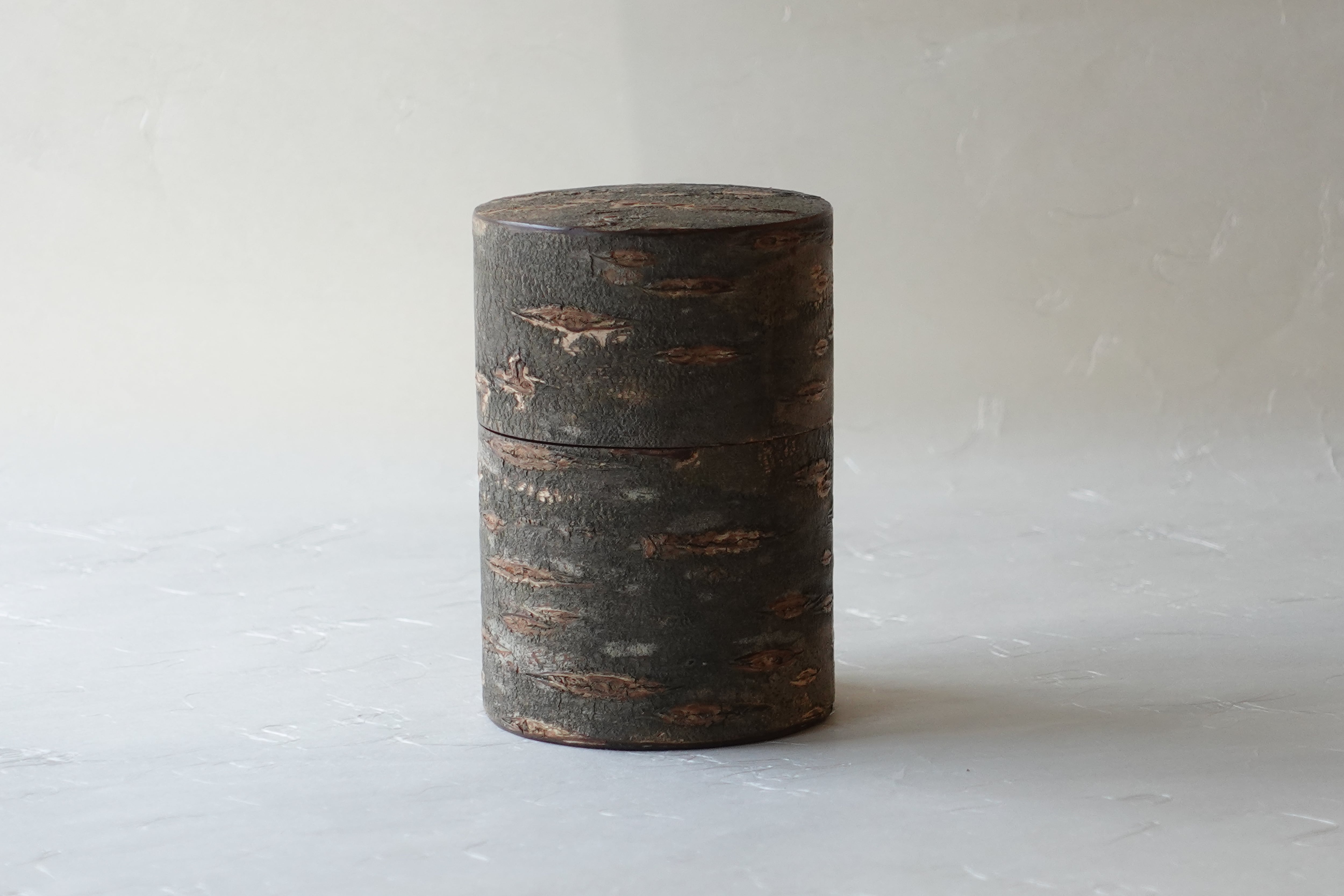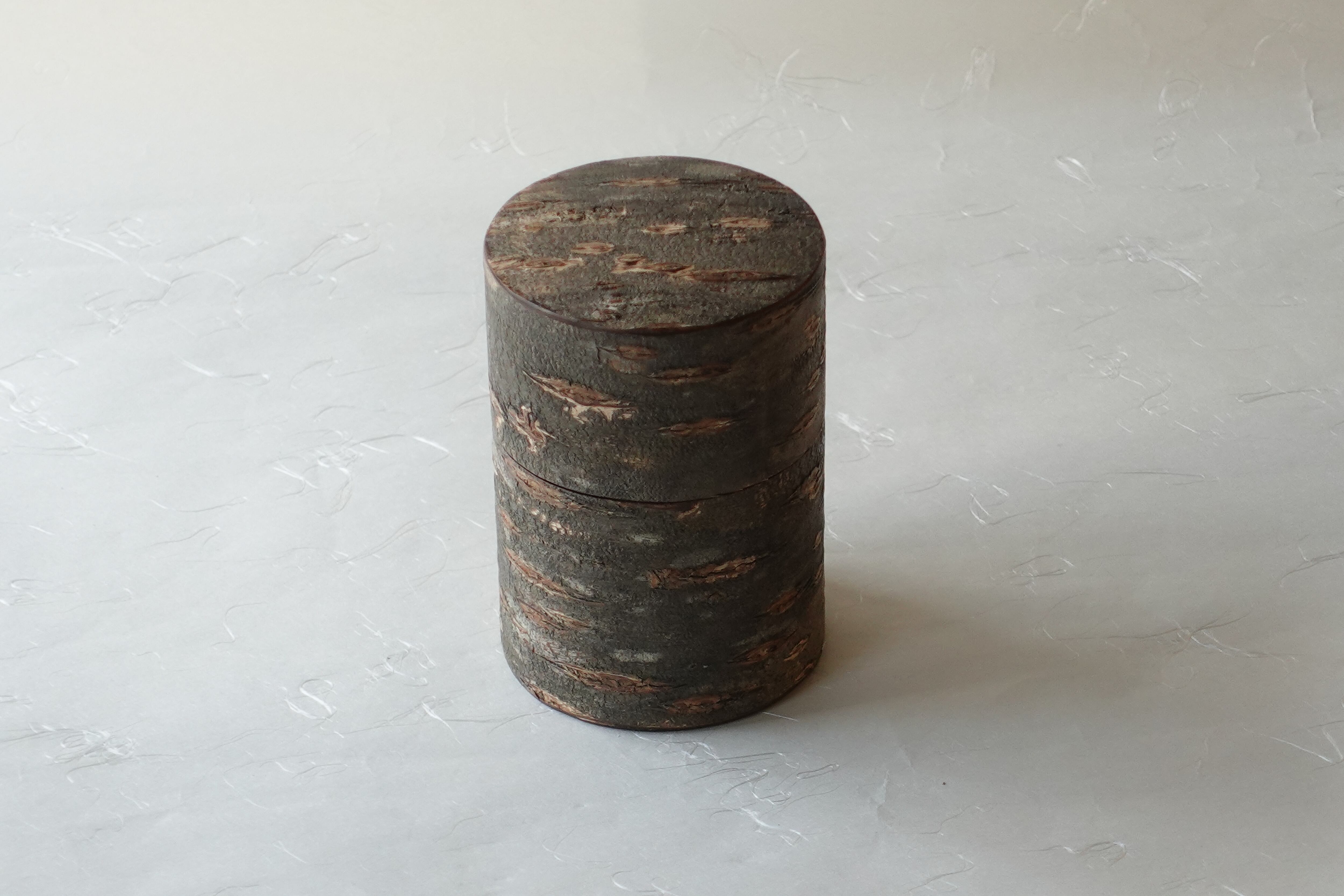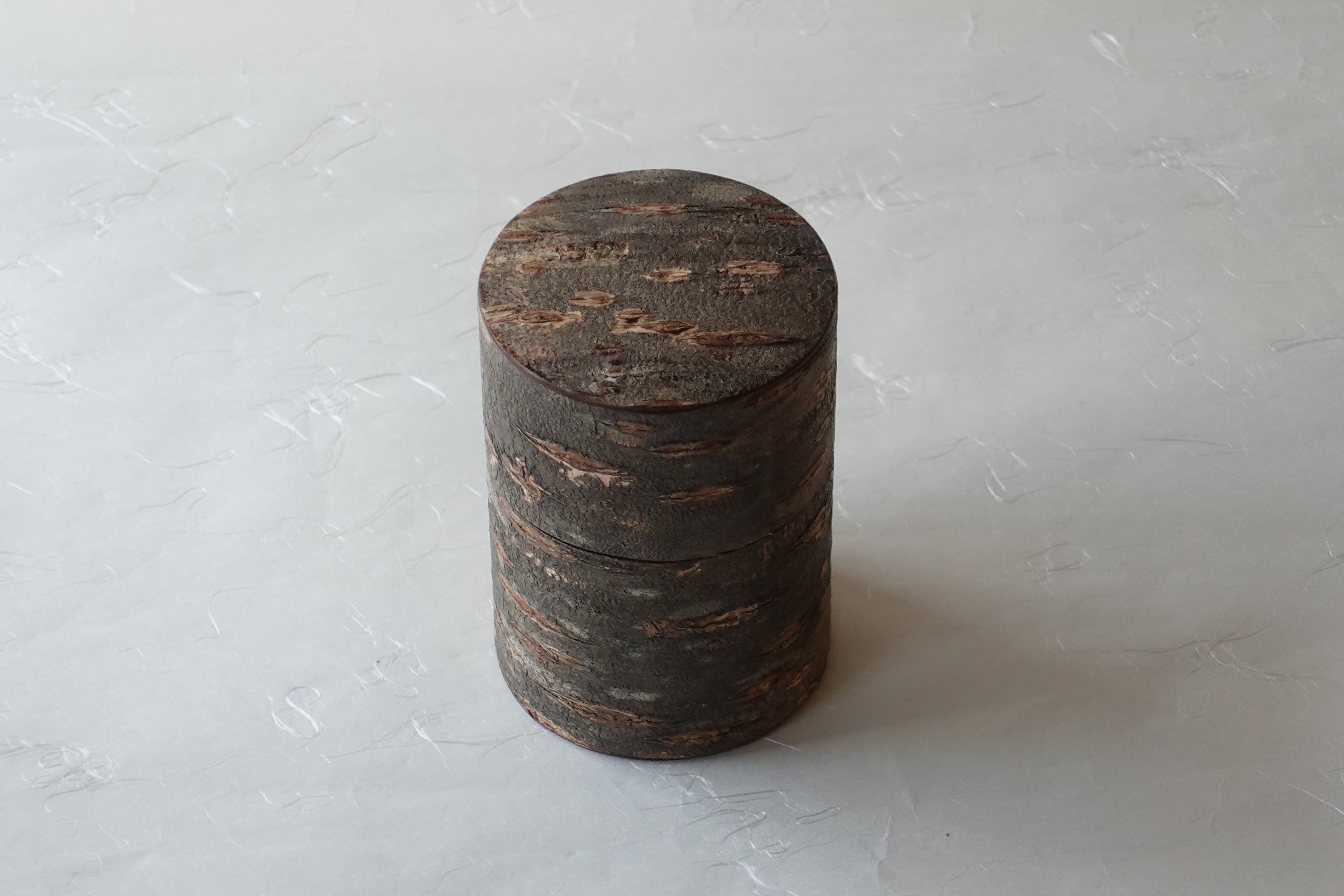



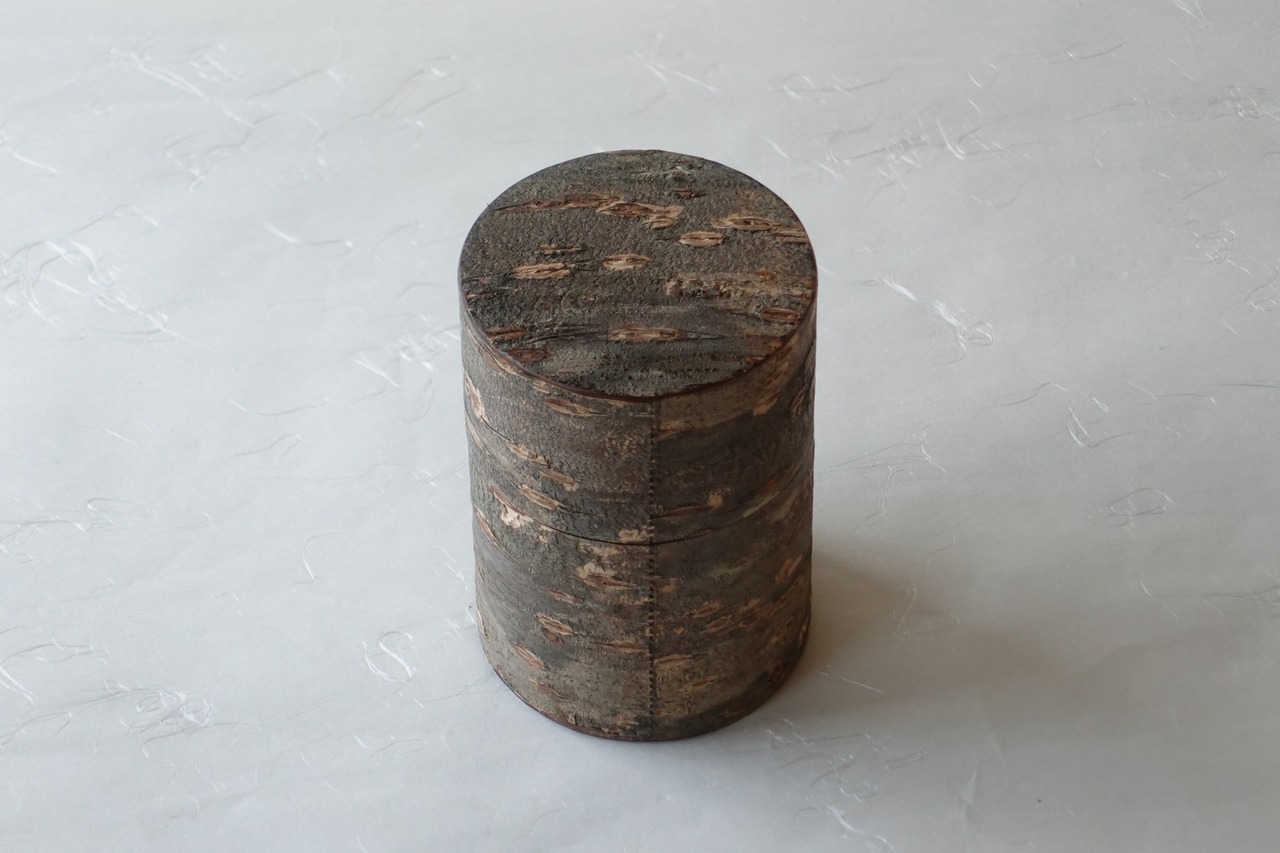
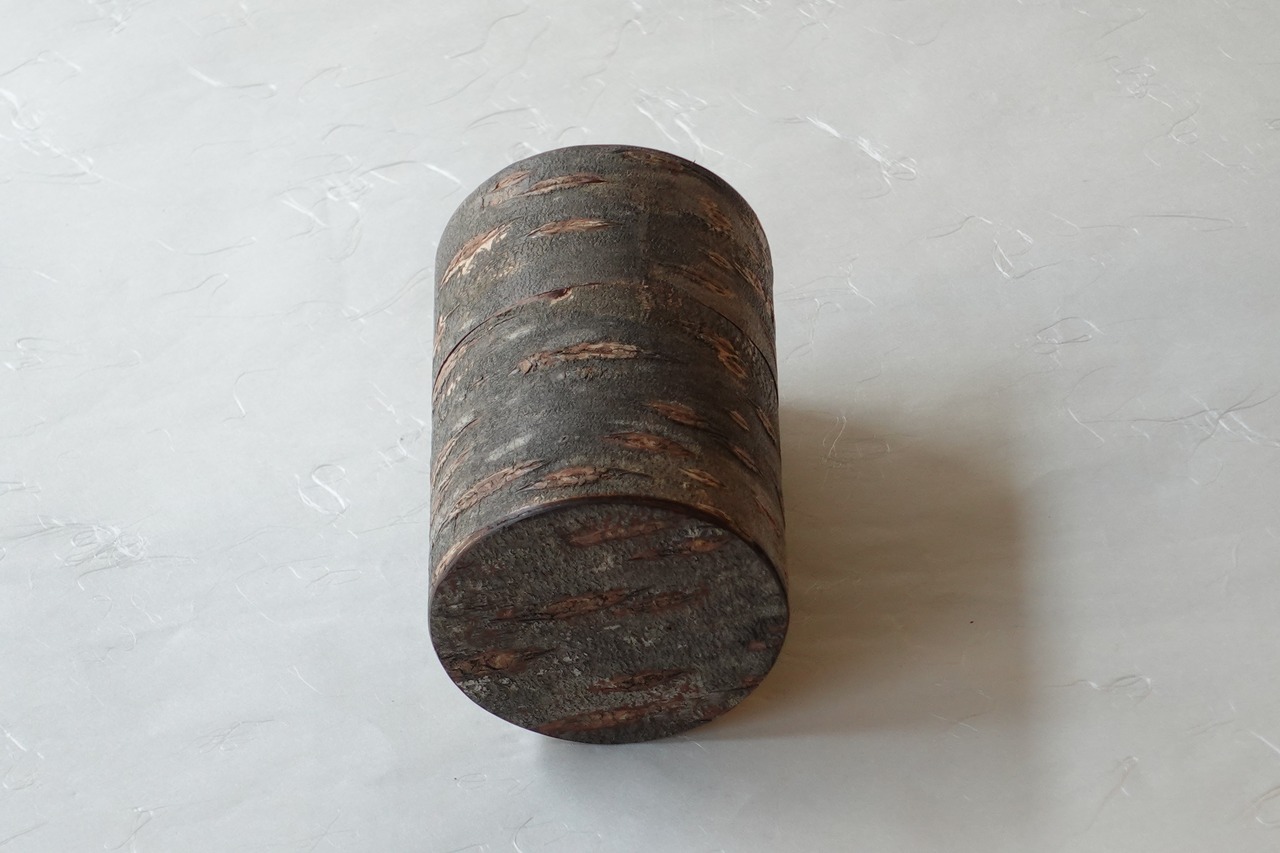

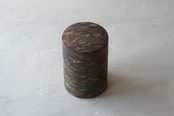
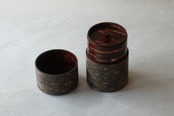

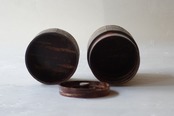


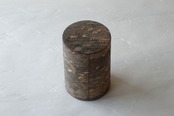
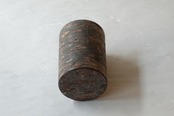

秋田県産 桜皮 樺細工 木製 茶筒 総皮 大 ちらし
¥14,300($91.22)
SOLD OUT
秋田県角館で作られた桜皮細工(樺細工)の
木製茶筒のご紹介です。
桜皮を使用した細工物の美しさは、古く
万葉集や源氏物語でも称えられており
正倉院の御物にも筆 弓 刀の鞘(さや)などに
桜の皮を使ったものが見られます。
樹皮加工は今から200年前、江戸時代中期
に秋田県北部の阿仁地方から藤村彦六が
角館に伝えたとされ、佐竹城主の庇護のもと
下級武士の手内織から生業へと変遷を
重ねました。
高度な技術の蓄積、多様性の追求により、
我が国固有の樹皮加工を工芸品へと
発展させました。
桜皮の持つシックな光沢と桜皮の特性である
通気性、通湿性を生かした生活用品は、
日本の格調ある手工芸品として、広く
愛されています。
優れた防湿・防乾性を生かした
伝統工芸品です。
昭和51年、通産大臣による伝統工芸品の
指定を受けています。
この樺細工に使われる桜は東北地方の山桜で
厳しい気候で育った山桜ほど美しく耐久性が
高いと言われています。
桜の樹皮を幹から丁寧に剥がし、1、2年
陰干しして乾燥させたものを使います。
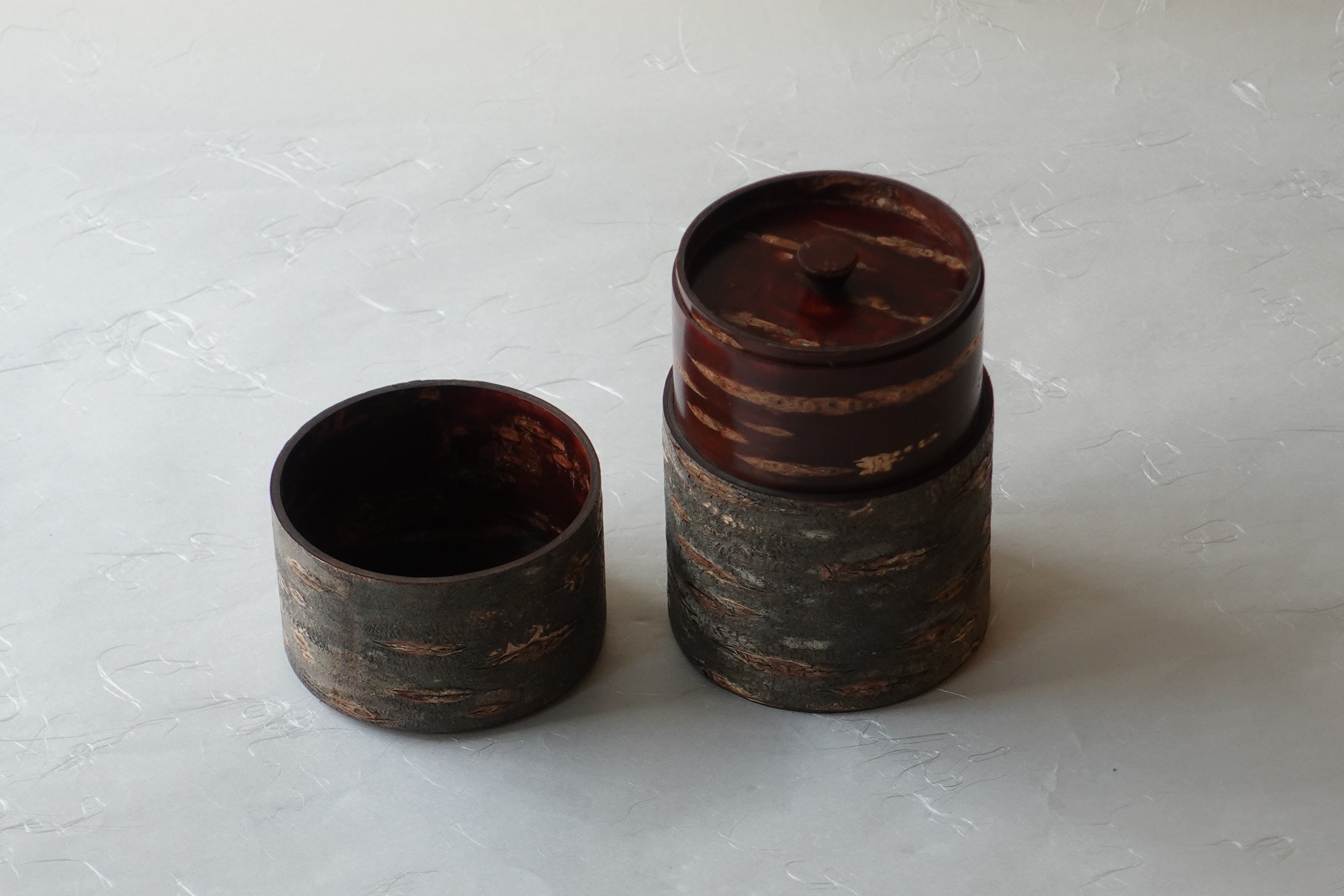
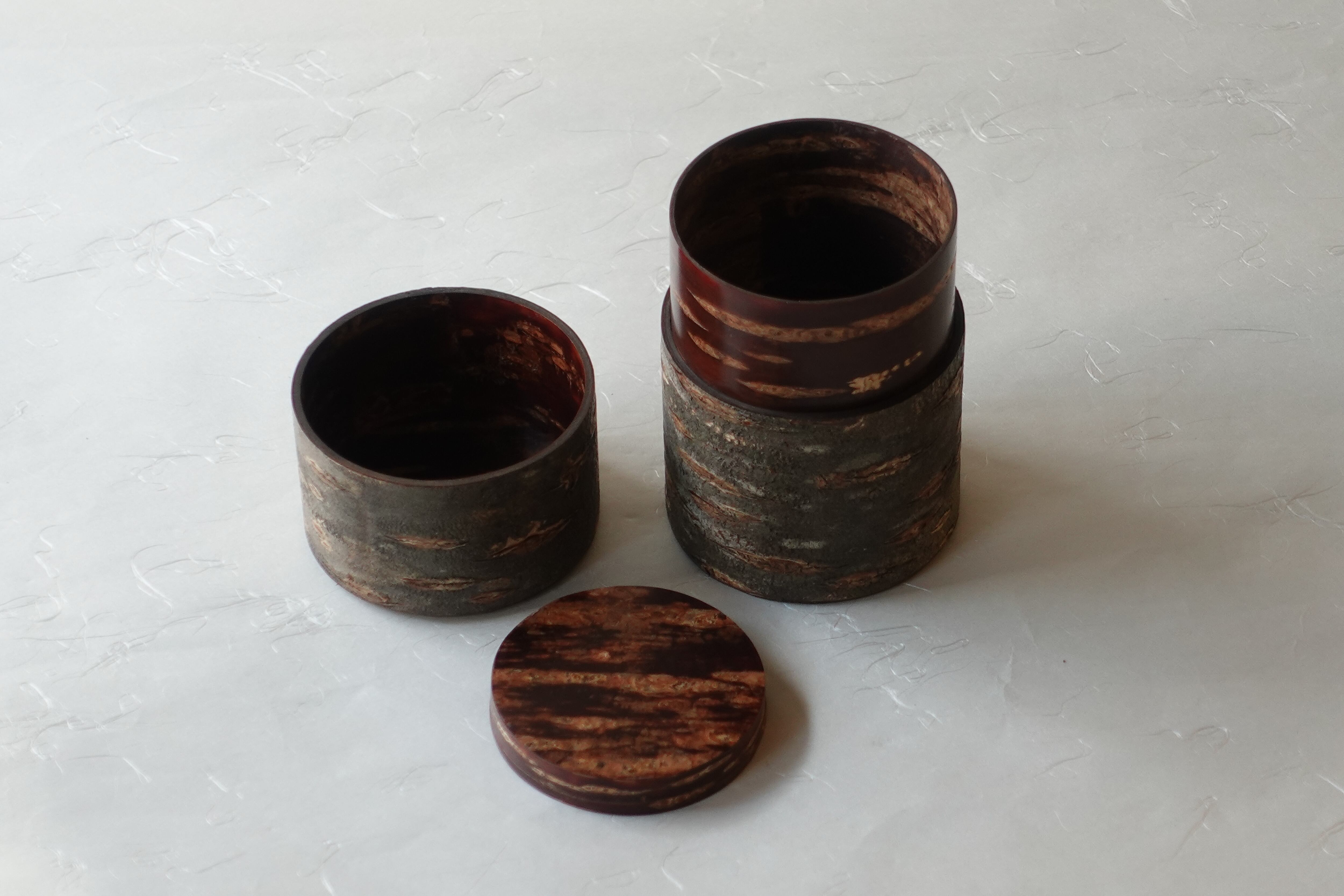
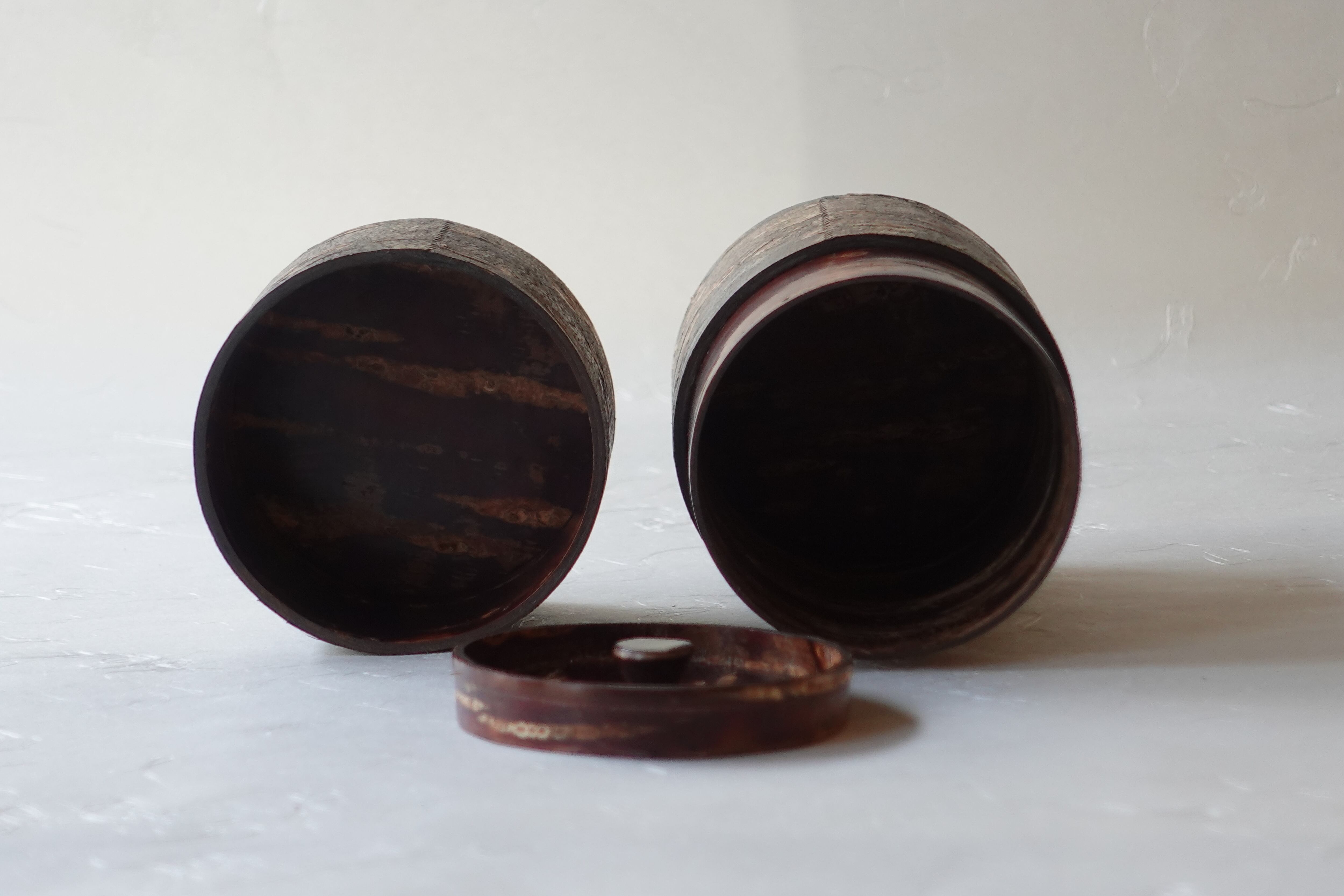
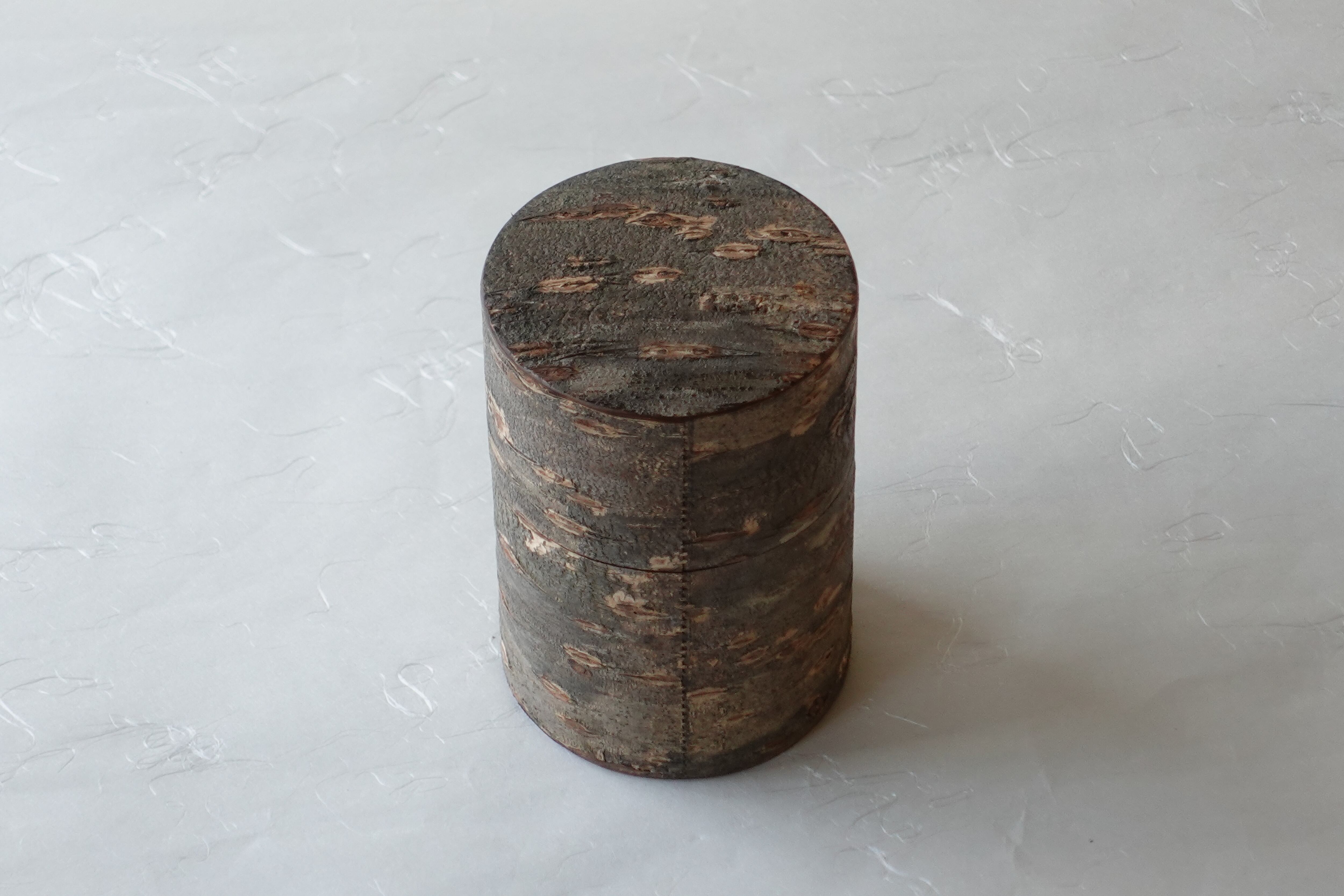
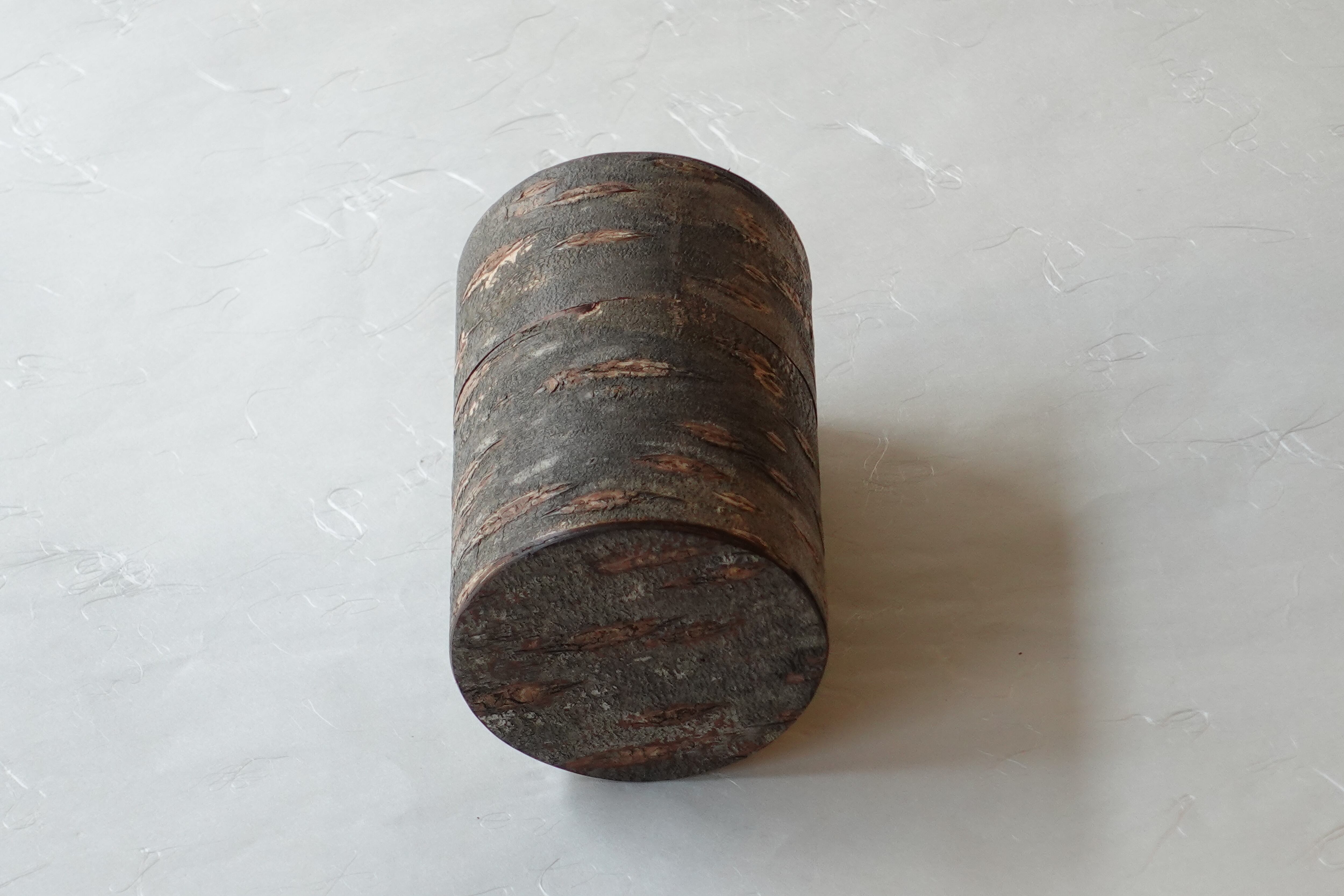
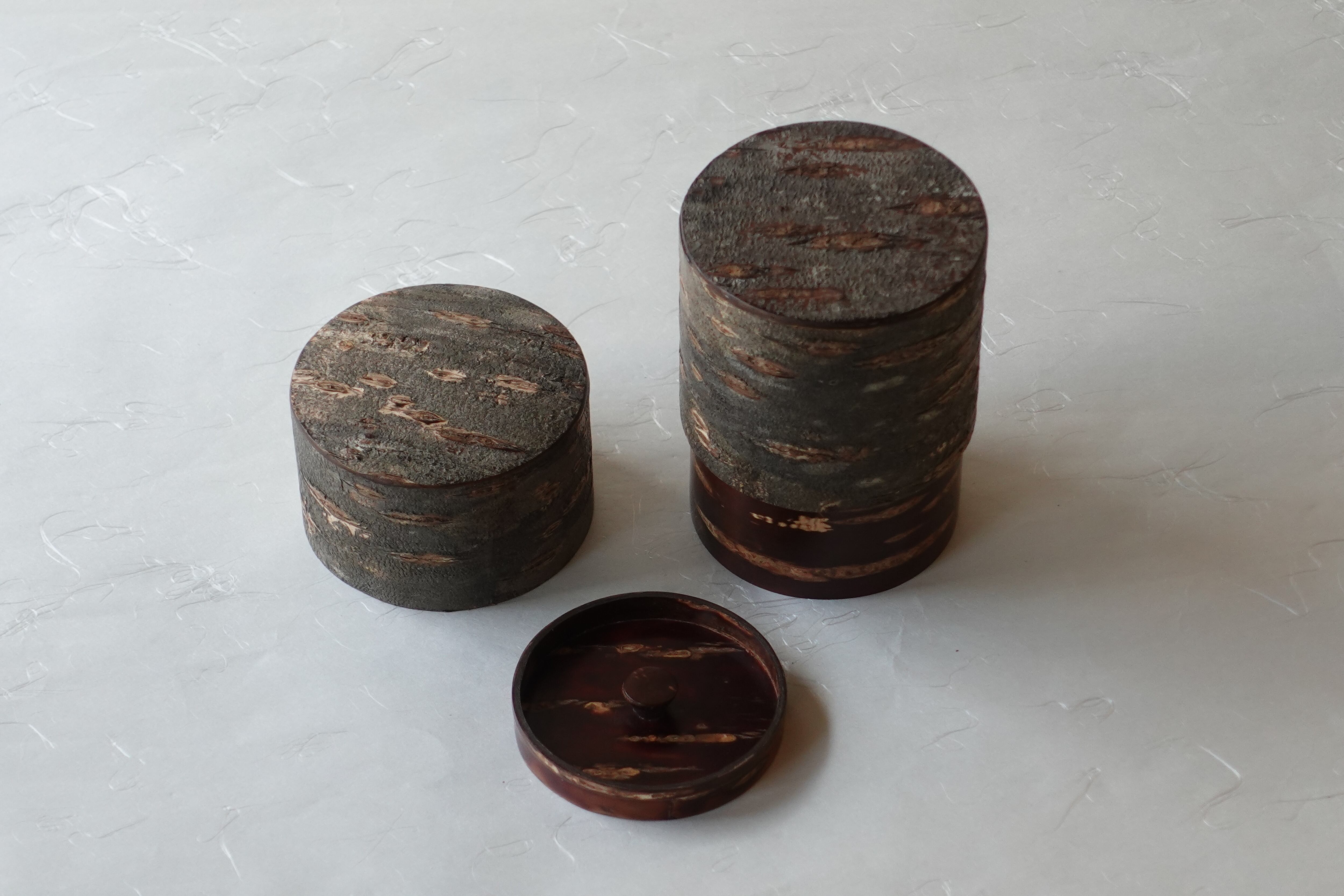
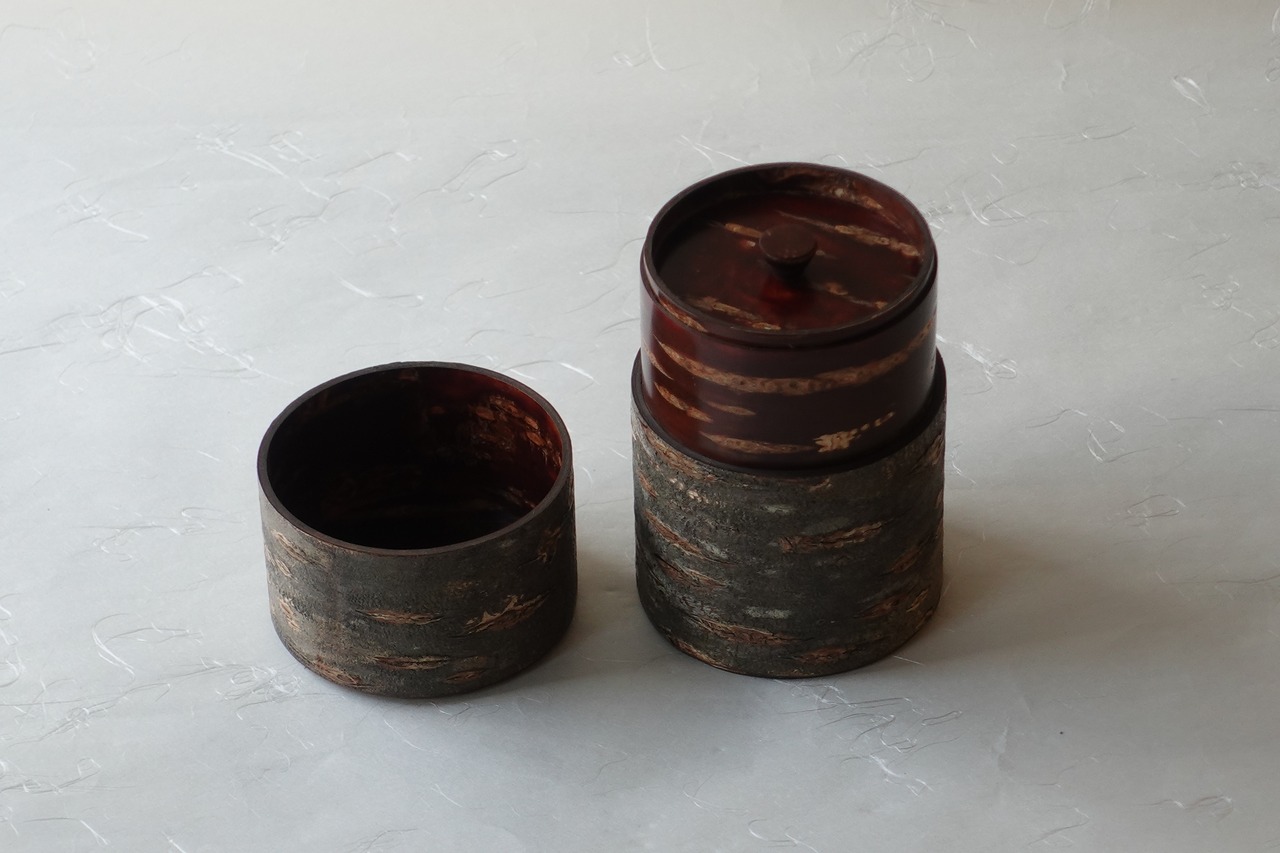
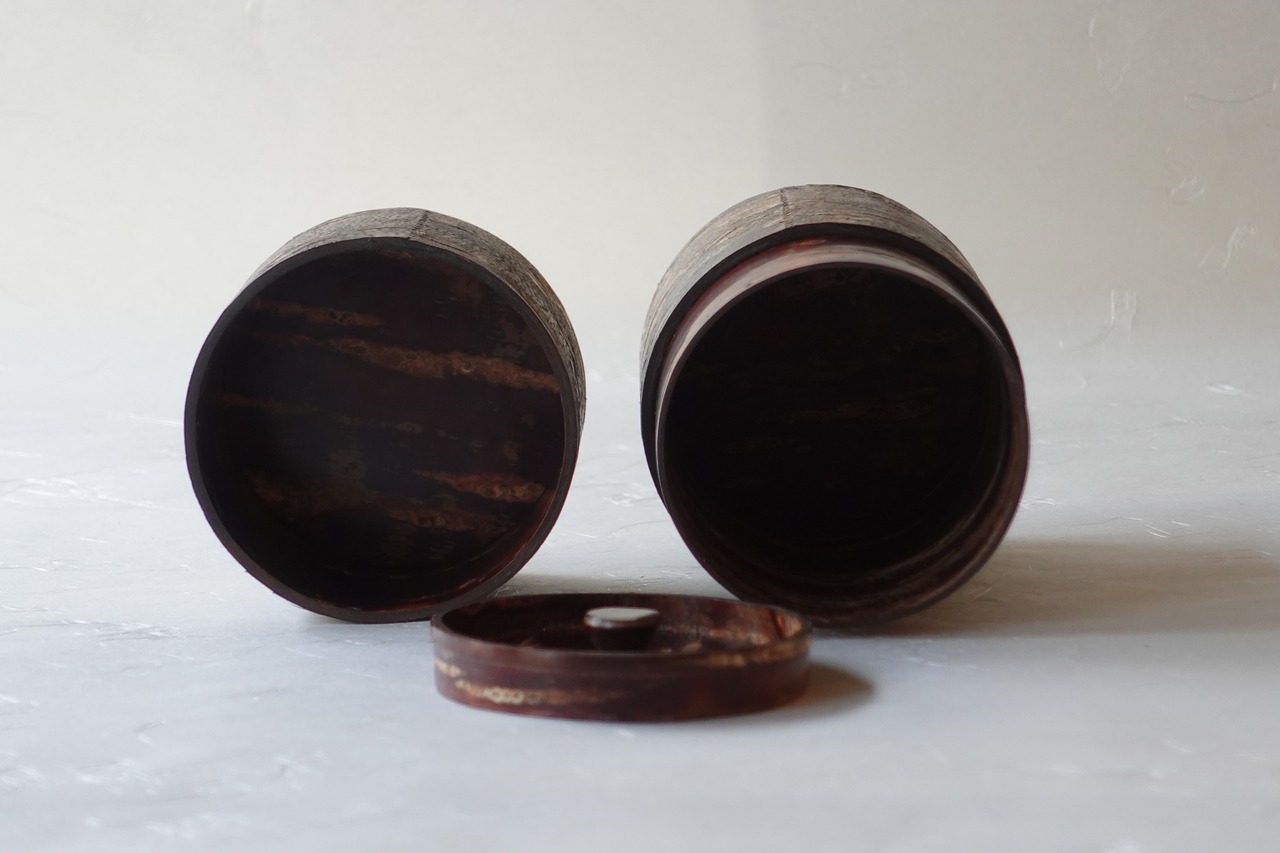
この茶筒は、外側はもちろん内側も裏面に
至るまで全面に桜皮が貼られています。
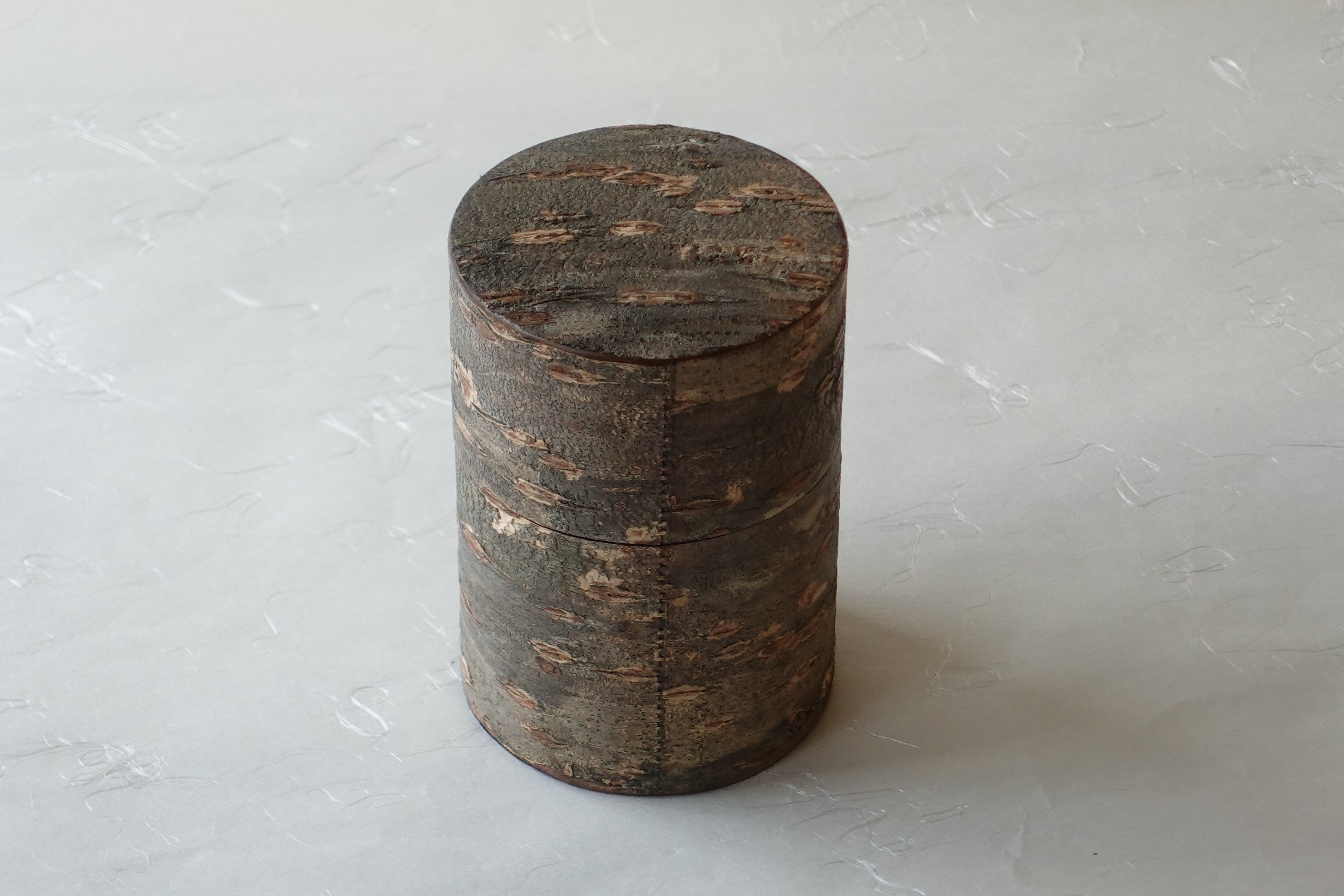
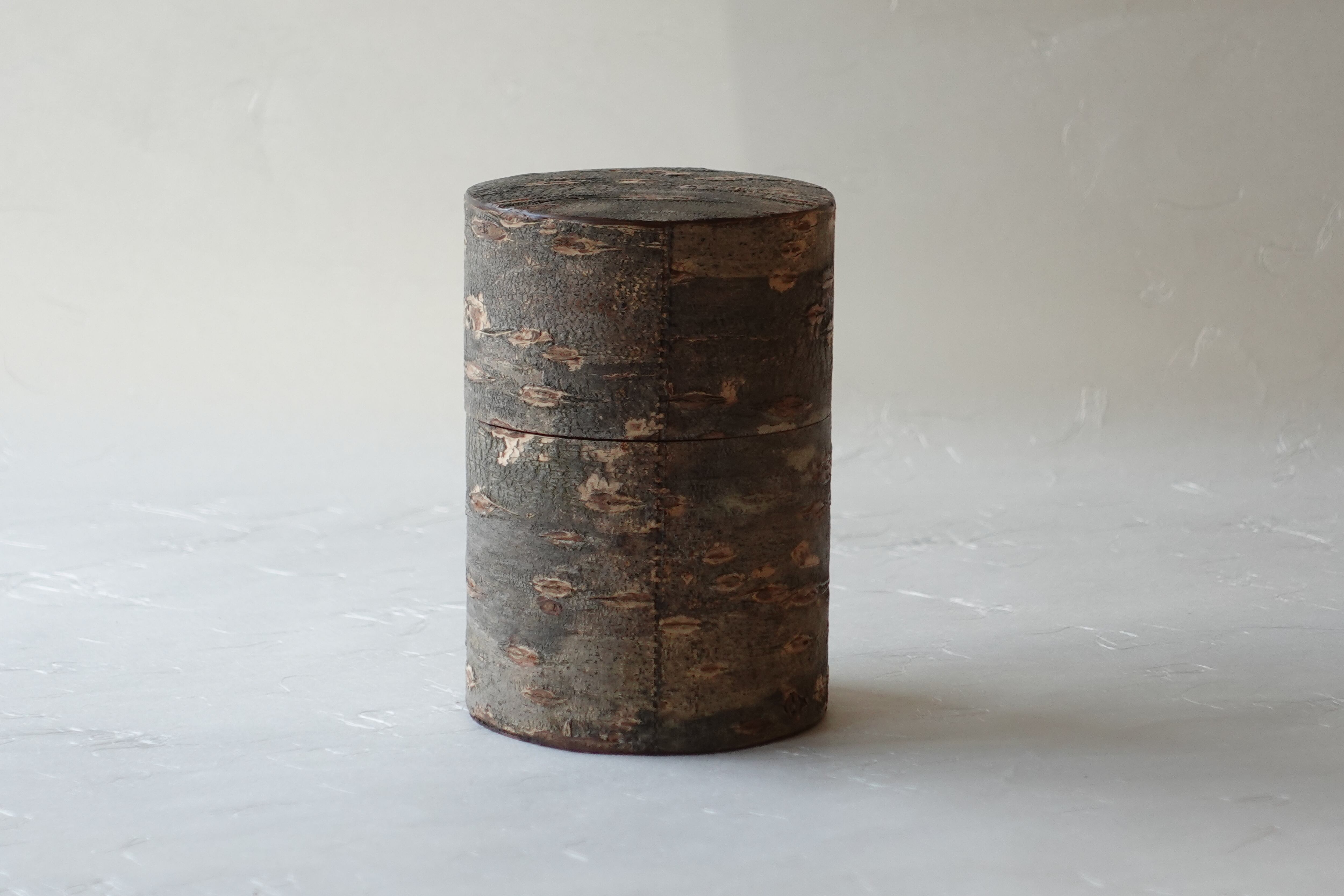
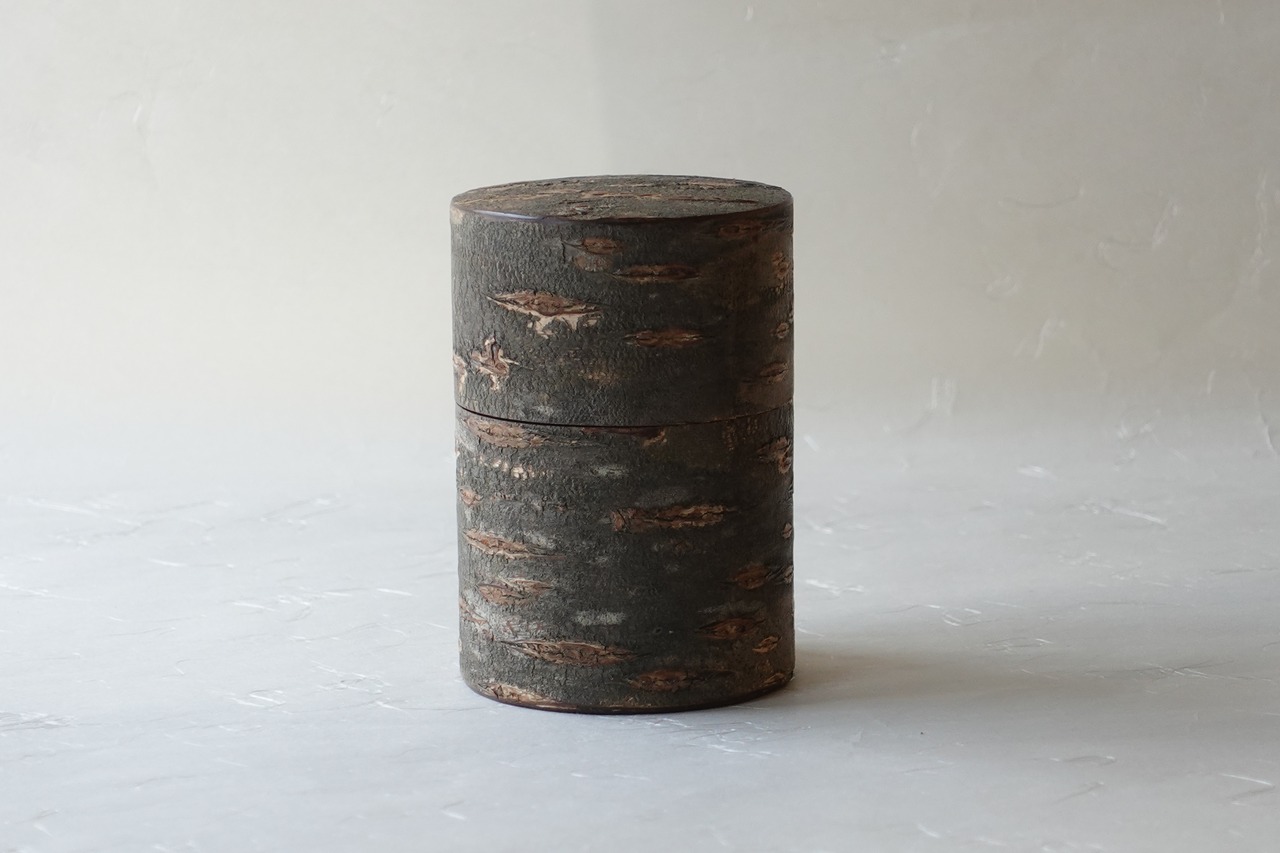
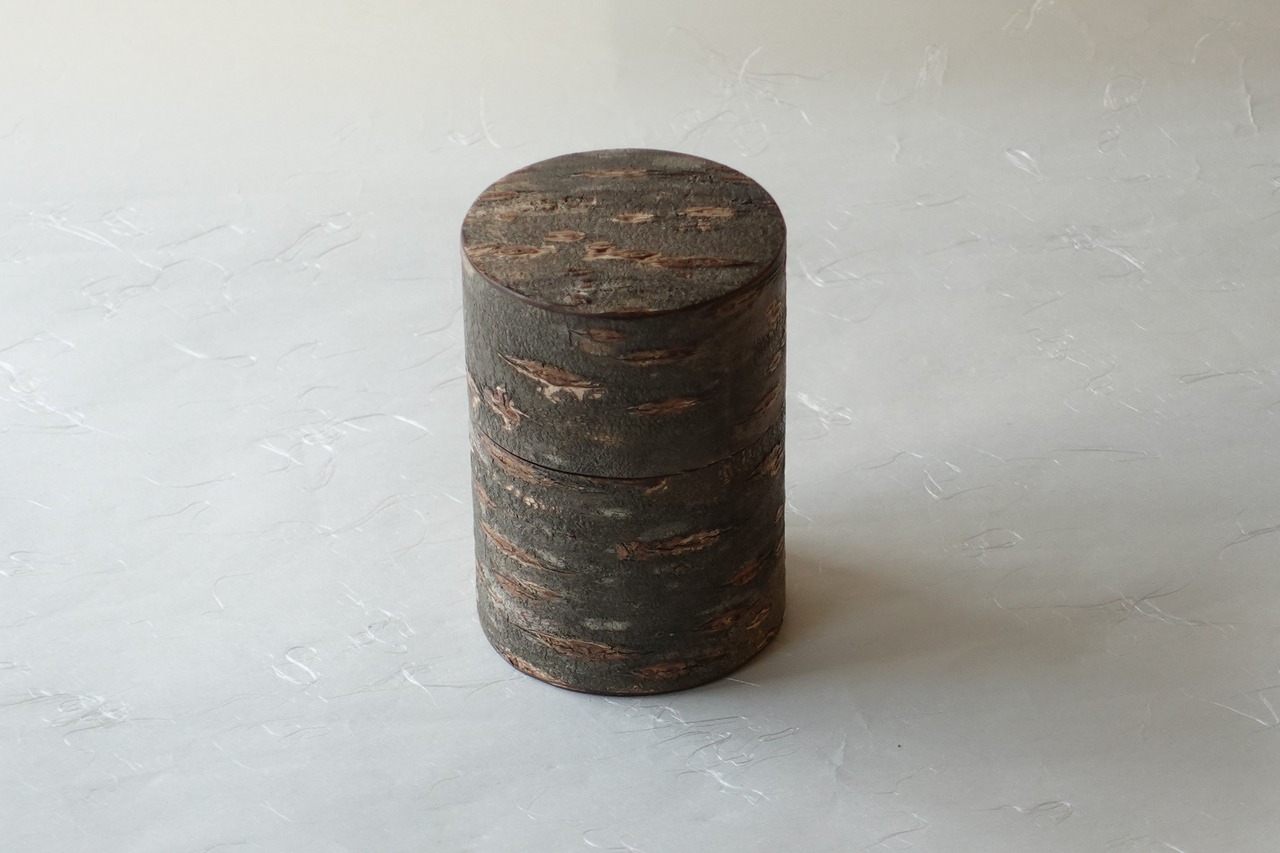
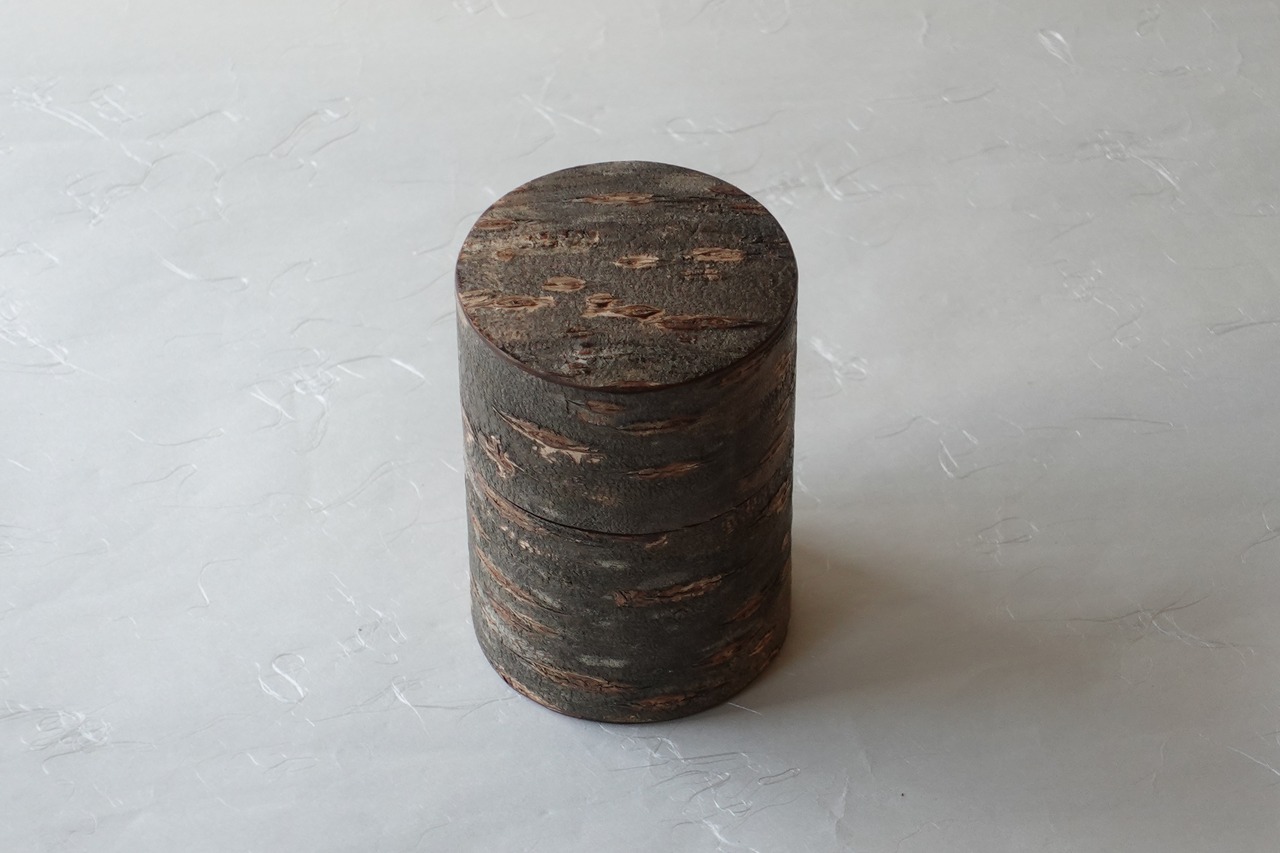
外側には、チラシ皮が使われています。
チラシ皮は、表面が灰色で部分的に白色の
ものをいい、山桜の樹皮の中でも趣きがあり
渋い色調であることから、大変希少価値が
あり、削らないで自然の風合いを残したまま
使われています。
それ以外の部分は、蓋の裏側、内蓋は全面、
本体の内側に至るまで無地皮といって、
通常よく使われる山桜の表面を削り、丁寧に
磨いたものを使っています。
蓋の取り外しの際、本体との絶妙な気密性を
感じることが出来ます。
この精巧さは正に職人技と言わざるを
得ません。
中に入れるものは、お茶に限らず、
コーヒー豆や海苔、ピーナツなどのナッツ系
あられや柿の種などの菓子類など、湿気を
嫌う食材にすべてお使い頂けます。
平成22年4月、㈶日本食品分析センターで
桜の皮の抗菌試験が実施され桜の皮には
大腸菌、黄色ブドウ球菌に対する抗菌効果が
あることが実証されました。
食材を有害な菌から守ってくれることが実証され、
より安心してお使い頂けます。
現代の科学で解明された抗菌効果は、
230年前の先人が知っていたかどうかは
分かりませんが、感覚的に分かっていたと
すると、先人たちの知恵にはただ
脱帽するのみです。
自然素材でありながら、防湿・防乾・抗菌の
ハイテク素材です。
しかも土にかえるエコ素材で出来ています。
抗菌の副作用も皆無の世界に誇れる一流品です。
近年、程度のいい桜の皮が採れにくくなって
おり、深刻な材料不足となっており一枚皮を
惜しみなく使ってあるものが少なく、
希少品となっております。
天然素材の素朴さや美しさ、使い込む程、
時を経る程、変化する色調奥行のある
光沢などに優れた特徴があります。
秘蔵せずに日常使い込む事が最良の
手入れ方法です。
輸入による樺細工の類似品が出回って
おりますので信用のおける専門店での
ご購入をおすすめいたします。
径 8.2cm 高さ 12cm
容量 150g
木製 桜皮
Akita Prefecture Product – Cherry Bark (Kabazaiku) Craft – Wooden Tea Caddy – Full Bark – Large – “Chirashi” Pattern
We are pleased to introduce this wooden tea caddy made of Kabazaiku (cherry bark craft) produced in Kakunodate, Akita Prefecture.
The beauty of crafted objects using cherry bark has been praised since ancient times, appearing in classical works such as the Manyoshu and The Tale of Genji. Items using cherry bark can also be found among the treasures of the Shosoin Repository, including writing brushes, bows, and sword scabbards.
It is said that bark-processing techniques were introduced to Kakunodate about 200 years ago during the mid-Edo period by Hikoroku Fujimura from the Ani region in northern Akita. Under the protection of the Satake feudal lords, the craft gradually evolved from side work performed by lower-ranking samurai into a professional livelihood.
Through the accumulation of advanced techniques and the pursuit of diversity in design, Japan’s unique bark-processing techniques developed into refined craftworks.
Household items that utilize the chic luster of cherry bark, together with its natural breathability and moisture permeability, are widely loved as elegant examples of Japanese handicrafts.
This is a traditional craft that makes excellent use of the bark’s superior resistance to moisture and drying.
In 1976, it was officially designated as a Traditional Craft by the Minister of International Trade and Industry.
The cherry bark used in this craft comes from wild mountain cherry trees of the Tohoku region. It is said that the harsher the climate in which the mountain cherry grows, the more beautiful and durable the bark becomes.
The bark is carefully peeled from the trunk and then dried in the shade for one to two years before being used.
In this tea caddy, cherry bark is applied not only to the exterior but also to the interior and even the reverse surfaces.
“Chirashi-kawa” (scattered bark) is used on the outside. This type of bark has a gray surface with partially white areas and possesses a particularly tasteful and subdued coloration among mountain cherry bark. Because of its rarity and distinctive appearance, it is used without shaving the surface, preserving its natural texture.
Other parts—such as the underside of the lid, the entire inner lid, and even the interior of the main body—use what is called muji-kawa (plain bark). This is made by shaving and carefully polishing the surface of mountain cherry bark commonly used for Kabazaiku.
When removing the lid, you can feel the exquisite airtight fit between the lid and the body.
This precision can only be described as true master craftsmanship.
Although primarily intended for tea, the caddy can also be used to store coffee beans, dried seaweed, peanuts and other nuts, rice crackers, persimmon-seed crackers, and other snacks or foods that should be kept away from moisture.
In April 2010, the Japan Food Research Laboratories conducted antibacterial testing on cherry bark and confirmed that it has antibacterial effects against Escherichia coli and Staphylococcus aureus.
This has demonstrated that cherry bark helps protect food from harmful bacteria, allowing it to be used with greater peace of mind.
Whether people 230 years ago already understood these antibacterial properties is unknown, but if they sensed it intuitively, one can only admire the wisdom of our predecessors.
Although made from natural materials, it functions as a high-performance material with moisture-control and antibacterial properties.
It is also made from an eco-friendly material that naturally returns to the soil.
With no side effects from antibacterial action, it is a world-class product Japan can proudly present.
In recent years, high-quality cherry bark has become increasingly difficult to obtain, resulting in a serious shortage of raw materials. Items that use large sheets of bark generously have become rare and highly valuable.
Natural materials possess a simple beauty, and with continued use their color deepens and develops a rich, lustrous patina over time.
Rather than storing it away, daily use is the best way to care for it.
Imitation Kabazaiku products imported from overseas are currently circulating in the market, so purchasing from a reliable specialty shop is recommended.
Diameter: 8.2 cm
Height: 12 cm
Capacity: 150 g
Material: Wood, Cherry Bark (Kabazaiku)
秋田县产 樱皮 桦细工 木制 茶筒 总皮 大 散花皮
为您介绍一款在秋田县角馆制作的樱皮细工(桦细工)木制茶筒。
使用樱树树皮制作的工艺品之美,自古以来便备受赞誉,在古代的《万叶集》和《源氏物语》中也曾加以称颂。在正仓院所藏的御物中,也能见到在笔、弓以及刀鞘等器物上使用樱树树皮的例子。
树皮加工技艺距今约二百年前,于江户时代中期,由秋田县北部阿仁地区的藤村彦六传至角馆。在佐竹藩主的庇护之下,这项技艺从下级武士的内职手工逐渐发展成为一项谋生的产业。
通过高度技术的积累以及对多样性的不断追求,日本独有的树皮加工技艺逐渐发展成为精美的工艺品。
樱皮所具有的沉稳光泽,以及其特有的透气性、透湿性,使以樱皮制作的生活用品成为日本格调高雅的手工艺品,深受人们喜爱。
这是一件充分利用其优异防潮、防干特性的传统工艺品。
昭和51年被日本通商产业大臣指定为传统工艺品。
用于制作桦细工的樱树,取自日本东北地区的山樱。据说在严酷气候中生长的山樱,其树皮更加美观且耐久性更高。
制作时将樱树树皮从树干上小心剥离,再经过1至2年的阴干自然干燥后方可使用。
这只茶筒不仅外侧,连内侧及背面等全部部位都贴覆了樱树树皮。
外侧使用的是“散花皮(チラシ皮)”。
所谓散花皮,是指表面呈灰色并局部带有白色斑纹的树皮。在山樱树皮中,这种皮料极具风味,色调沉稳雅致,因而极为珍贵。使用时不进行削磨,而是保留其天然质感直接使用。
除此之外的部分,如盖子的内侧、内盖的整体,以及筒身内部等处,则使用被称为“无地皮”的材料。无地皮是将常用的山樱树皮表面削平并精心打磨后的材料。
在取下盖子时,可以感受到与筒身之间极为微妙而紧密的气密性。
这种精密程度,堪称真正的匠人技艺。
放入其中的物品不仅限于茶叶,还可以用于保存咖啡豆、海苔、花生等坚果类,以及米果、柿种等点心类等所有不耐湿气的食品。
平成22年4月,财团法人日本食品分析中心对樱树树皮进行了抗菌试验,证实樱树树皮对大肠杆菌及金黄色葡萄球菌具有抗菌效果。
这一结果证明其能够保护食品免受有害细菌侵害,因此可以更加安心地使用。
现代科学所证实的抗菌效果,虽然无法确定230年前的先人是否已明确知晓,但如果他们凭经验便已理解这一特性,那么先人的智慧实在令人由衷敬佩。
樱皮虽为天然素材,却兼具防潮、防干及抗菌等高性能特性。
而且它还是能够回归自然、可分解的环保材料。
既无任何抗菌副作用,又堪称值得向世界自豪介绍的一流工艺品。
近年来,由于优质樱树树皮愈发难以取得,材料短缺问题十分严重。能够毫不吝惜使用整张树皮制作的作品已十分稀少,因此显得尤为珍贵。
天然素材所具有的朴素之美,在长期使用过程中会逐渐产生色调变化,并呈现出富有层次与深度的光泽,这是其极具魅力的特点。
不必珍藏不用,在日常生活中经常使用,反而是最好的保养方式。
近年来市场上出现了不少进口的桦细工仿制品,因此建议在值得信赖的专业店铺购买。
直径 8.2 cm
高度 12 cm
容量 150 g
木制 樱皮制品
-
レビュー
(55)