-
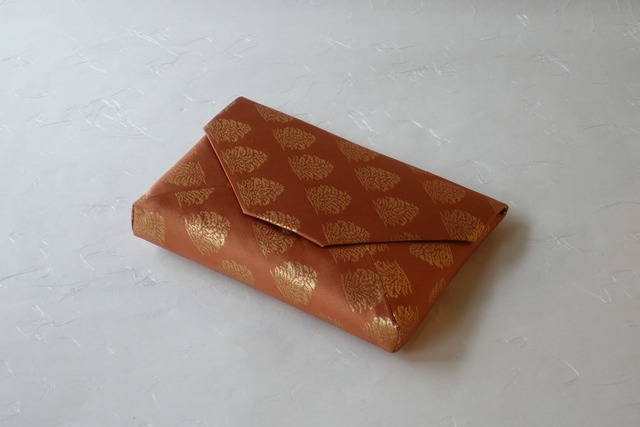
日本製 正絹(しょうけん) 数寄屋袋(すきやぶくろ) 鶏頭金襴(けいとうきんらん)
¥8,250($52.57)
日本製の正絹(しょうけん)の数寄屋袋 (すきやぶくろ)のご紹介です。 数寄屋袋とは、茶道で使う帛紗や扇子、 楊枝、懐紙、志野袋などを入れて携帯する 袋物のことです。 和装の時に持つハンドバッグのようなもの なので、茶道の時だけではなく和服で お出かけの際にも使って頂けます。 この裂地は名物裂の中でも極古渡りと称され 金襴の中でも最高級の位置を占めると されています。 鶏頭の花のような作土文様を並べた 図柄です。 この草花文の大小によって、大鶏頭、 中鶏頭、小鶏頭と呼び分けています。 華やかな一面と、物静かな風情の両面を 感じさせる意匠が、古くより茶人に 好まれてきました。 製作年代は中国明時代の初期と思われ、 大名物「円状坊肩衝茶入れ」、 中興名物「在中庵肩衝茶入」、 中興名物「橋立茶入」などの仕覆にも 用いられています。 横幅 21.5cm × 縦 15cm × 厚さ 3.5cm 正絹 Made in Japan – Pure Silk (Shōken) Sukiya Bag, Keitō Kinran We are pleased to introduce this Sukiya bag made in Japan from pure silk (shōken). A Sukiya bag is a type of traditional Japanese bag used to carry items used in the Japanese tea ceremony, such as a fukusa (silk cloth), folding fan, tea pick, kaishi (Japanese paper used in the tea ceremony), and shino-bukuro (small bag). It is similar to a handbag carried with traditional Japanese clothing, so it can be used not only for the tea ceremony but also when going out in kimono or other traditional Japanese attire. This textile is regarded as one of the finest examples of Kinran (gold brocade), and among Meibutsu-gire (famous historical textiles), it is classified as an extremely old imported textile. The design consists of a repeated pattern resembling the flowers of the cockscomb plant. Depending on the size of the floral motifs, these patterns are classified as Ō-Keitō, Chū-Keitō, and Shō-Keitō. The design combines both a splendid, ornate character and a quiet, refined elegance, and has long been favored by tea practitioners. The textile is believed to date from the early Ming Dynasty in China. It has also been used for shifuku (tea container pouches) for such famous tea caddies as the Oomeibutsu “Enjōbō Katatsuki,” the Chūkō Meibutsu “Zaichūan Katatsuki,” and the Chūkō Meibutsu “Hashidate.” Width: 21.5 cm × Height: 15 cm × Thickness: 3.5 cm Material: Pure silk 日本制 正绢(しょうけん)数寄屋袋(すきやぶくろ) 鸡头金襕(けいとうきんらん) 下面为您介绍一款日本制正绢(しょうけん)数寄屋袋(すきやぶくろ)。 数寄屋袋是用于装入和携带茶道中使用的帛纱、折扇、楊枝、怀纸、志野袋等物品的袋类用品。 由于它类似于穿着和服时携带的手提包,因此不仅可以在茶道时使用,也可以在穿着和服外出时使用。 这款织物在名物裂中被称为「极古渡」,被认为属于金襕织物中最高等级的品类之一。 图案排列着如鸡冠花般的草木花卉纹样。 根据这种草花纹样的大小不同,又分别称为「大鸡头」、「中鸡头」和「小鸡头」。 这种纹样兼具华丽的一面与宁静雅致的韵味,自古以来便深受茶人的喜爱。 其制作年代被认为是中国明代初期,并被用于大名物「圆状坊肩冲茶入」、 中兴名物「在中庵肩冲茶入」、 中兴名物「桥立茶入」等茶入的仕覆。 横宽:21.5厘米 × 纵长:15厘米 × 厚度:3.5厘米 材质:正绢
-

日本製 正絹(しょうけん) 数寄屋袋(すきやぶくろ) 二重蔓牡丹唐草金襴(ふたえづるぼたんからくさきんらん)
¥8,250($52.57)
日本製の正絹(しょうけん)の数寄屋袋 (すきやぶくろ)のご紹介です。 数寄屋袋とは、茶道で使う帛紗や扇子、 楊枝、懐紙、志野袋などを入れて携帯する 袋物のことです。 和装の時に持つハンドバッグのようなもの なので、茶道の時だけではなく和服で お出かけの際にも使って頂けます。 この裂地は名物裂の一つで、中国元代から 明代にかけて広く使用された模様で変化に 富んだ姿がみられます。 二重蔓とは二本線を並行させて、幅中に 地色の部分を筋のように見せて蔓を表した 文様をいいます。 写実的なやわらかい線が全面に広がり 生地の色と金糸が調和して豪華で高級感の ある美しいものに仕上がっています。 名物茶入の仕覆や御物の表具裂などとしても 珍重された裂地です。 横幅 21.5cm × 縦 15cm × 厚さ 3.5cm 正絹 Made in Japan, Pure Silk (Shōken) Sukiya Bag – Futaezuru Botan Karakusa Kinran We are pleased to introduce this Japanese-made Sukiya bag (Sukiya-bukuro), made of pure silk (shōken). A Sukiya bag is a type of traditional Japanese bag used to carry and store items used in the tea ceremony, such as a fukusa (silk cloth), folding fan, toothpick, kaishi (Japanese paper used in the tea ceremony), and Shino-bukuro (small drawstring bag). Since it is similar to a handbag carried with traditional Japanese clothing, it can be used not only for the tea ceremony but also when going out in kimono or other Japanese attire. This textile is one of the Meibutsu-gire, famous and highly regarded historical textiles. The pattern was widely used in China from the Yuan Dynasty through the Ming Dynasty, and it can be seen in a variety of variations. Futaezuru refers to a decorative pattern in which two parallel lines are used to depict vines, with the base color of the fabric appearing like a stripe between the lines. Soft, realistic lines spread across the entire surface, while the color of the fabric harmonizes beautifully with the gold threads, creating a luxurious and elegant appearance. This textile has also been highly prized for use in the shifuku (pouch) of famous tea caddies and as decorative mounting fabric for imperial treasures and other valuable objects. Dimensions: Width: 21.5 cm × Height: 15 cm × Thickness: 3.5 cm Material: Pure silk 日本制 正绢(纯丝) 数寄屋袋 二重蔓牡丹唐草金襴 现为您介绍一款日本制正绢(纯丝)数寄屋袋。 所谓数寄屋袋,是用于装入并随身携带茶道中使用的帛纱、扇子、楊枝、怀纸、志野袋等物品的袋子。 它类似于穿着和服时携带的手提包,因此不仅可以在茶道时使用,也可以在穿着和服外出时使用。 这种织物是名物裂之一,其纹样从中国元代至明代期间被广泛使用,呈现出丰富多变的形态。 所谓“二重蔓”,是指将两条线平行排列,并通过让两线之间露出如筋纹般的地色部分,表现藤蔓的纹样。 写实而柔和的线条遍布整个织物表面,织物本身的色彩与金线相互协调,呈现出华丽、高贵而富有高级质感的美丽风格。 这种织物也曾作为名物茶入的仕覆以及御物的表具裂等使用,并因此备受珍视。 横宽:21.5厘米 × 纵长:15厘米 × 厚度:3.5厘米 材质:正绢(纯丝)
-
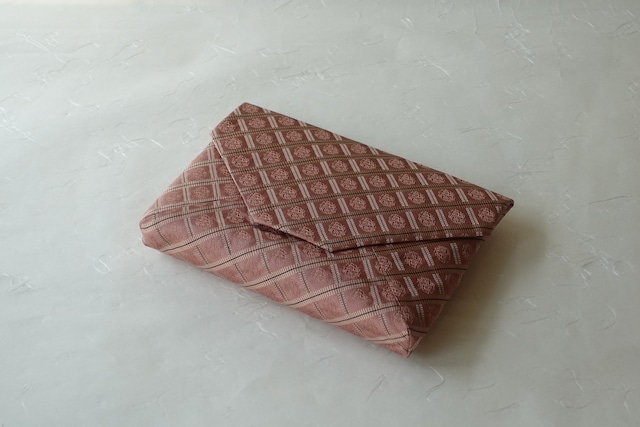
日本製 正絹(しょうけん) 数寄屋袋(すきやぶくろ) 雨龍間道(あまりょうかんどう)
¥10,300($65.63)
日本製の正絹(しょうけん)の数寄屋袋 (すきやぶくろ)のご紹介です。 数寄屋袋とは、茶道で使う帛紗や扇子、 楊枝、懐紙、志野袋などを入れて携帯する 袋物のことです。 和装の時に持つハンドバッグのようなもの なので、茶道の時だけではなく和服で お出かけの際にも使って頂けます。 雨龍間道の雨龍とは架空の動物で 霊獣とされており、他の龍の様に角がなく 尾が細く濁水に住む水霊とされています。 水に住むこと5千年にして 蛟龍(こうりゅう)となり、竜巻を 起こして天に昇り、この時はじめて角が生じ 長く鋭い爪も生え、迫力が生まれると いわれています。 左右向きを変えてうずくまる雨龍文を 格子柄に表した裂は地色と格子色が美しく 溶け合った趣のあるものとなっています。 薄い紫色は大変高貴で品格のある名物裂と なっています。 横幅 21.5cm × 縦 15cm × 厚さ 4cm 正絹 Made in Japan 100% Pure Silk Sukiya Bag – Amaryō Kando Pattern Here is a Japanese-made Sukiya bag made of 100% pure silk. A Sukiya bag is a type of traditional bag used for carrying items used in the tea ceremony, such as a fukusa (silk cloth), folding fan, pick, kaishi (Japanese paper), and Shino-bukuro (small pouch). Since it is similar to a handbag carried with traditional Japanese clothing, it can be used not only for the tea ceremony but also when going out wearing a kimono. In the Amaryō Kando pattern, the “Amaryō” is a mythical creature regarded as a sacred beast. Unlike other dragons, it has no horns, has a slender tail, and is said to be a water spirit that lives in muddy water. It is said that after living in water for 5,000 years, it becomes a Kōryū (蛟龍). It then rises to heaven by creating a tornado, and it is at this time that horns first appear. It also grows long, sharp claws, giving it a powerful and imposing appearance. The textile features a lattice pattern depicting Amaryō figures crouching and facing alternately to the left and right. The ground color and lattice color blend beautifully together, creating an elegant and tasteful appearance. The pale purple color gives this meibutsugire (名物裂), a famous and distinguished traditional textile, a highly refined and dignified character. Width: 21.5 cm × Height: 15 cm × Thickness: 4 cm Material: 100% Pure Silk 日本制 正绢 数寄屋袋 雨龙间道 现为您介绍一款日本制正绢数寄屋袋。 所谓“数寄屋袋”,是用于装入和携带茶道中所使用的帛纱、扇子、楊枝、怀纸、志野袋等物品的袋子。 由于它类似于穿着和服时所携带的手提包,因此不仅可以在茶道时使用,也可以在穿着和服外出时使用。 “雨龙间道”中的“雨龙”是一种虚构的动物,被视为灵兽。它不像其他龙那样长有角,被认为是一种尾部纤细、栖息于浑浊水中的水灵。 据说,雨龙在水中生活五千年后,会成为“蛟龙”,并卷起龙卷风升入天空。到了这个时候才会长出角,同时还会长出长而锋利的爪子,从而显现出威严的气势。 将左右朝向交替、呈蜷伏姿态的雨龙纹样以格子图案表现出来的织物,其底色与格子颜色相互美妙地融合,呈现出富有韵味的格调。 淡紫色显得十分高贵典雅,是一款极具品格的名物裂。 横宽:21.5厘米 × 纵长:15厘米 × 厚度:4厘米 材质:正绢
-

日本製 正絹(しょうけん) 数寄屋袋(すきやぶくろ) 萬歴緞子(ばんれきどんす)
¥5,759($36.70)
SOLD OUT
日本製の正絹(しょうけん)の数寄屋袋 (すきやぶくろ)のご紹介です。 数寄屋袋とは、茶道で使う帛紗や扇子、 楊枝、懐紙、志野袋などを入れて携帯する 袋物のことです。 和装の時に持つハンドバッグのようなもの なので、茶道の時だけではなく和服で お出かけの際に使って頂けます。 萬歴緞子(ばんれきどんす)の萬歴とは 中国明代の年号のことで、この時代には 優れた織物が数多く織られました。 多彩な色、豪華な文様など萬歴の一時代を 貫流する美的様式があります。 この裂地は石畳に菱形の唐花文をはめ込んだ 美しい図柄で、萬歴様式の名物裂として 好まれています。 横幅 21.5cm × 縦 15cm × 厚さ 3cm 正絹 Made in Japan — Pure Silk Sukiya-bukuro (Tea Ceremony Accessory Pouch) — Banreki Donsu Brocade This piece is a Japanese-made sukiya-bukuro crafted from pure silk. A sukiya-bukuro is a pouch used in the tea ceremony to carry items such as the fukusa (silk cloth), folding fan, yōji (sweets pick), kaishi paper, Shino-bukuro envelope, and other accessories. Because it functions much like a small handbag for traditional dress, it can be used not only for tea gatherings but also when going out in Japanese attire. The term Banreki Donsu refers to brocade woven during the Wanli era of the Ming dynasty in China, a period famed for its exceptional textile production. Brocades from this era are characterized by vibrant colors and opulent patterns, reflecting a distinctive aesthetic style that defined the Wanli period. This particular textile features a beautiful design in which a lattice pattern is filled with lozenge-shaped karahana (Chinese floral) motifs. It is well regarded as a classic “meibutsu-gire” (famous specialty textile) in the Wanli style. Dimensions: 21.5 × 15 × 3 cm Material: Pure silk 日本制 正绢 数寄屋袋 万历缎子 以下为日本制正绢数寄屋袋的介绍。 所谓“数寄屋袋”,是指用于茶道携带帛纱、折扇、楊枝、怀纸、志野袋等用品的袋物。 由于与和服时所携带的手提包类似,因此不仅可用于茶道场合,也适合在穿着和服出行时使用。 “万历缎子”中的“万历”是中国明代的年号。此时期织造了大量优异的织物,具有色彩丰富、纹样华丽等审美风格,贯穿万历一代。 此裂地以方格状石畳中嵌入菱形唐花纹的美丽图案著称,作为万历样式的名物裂而备受喜爱。 尺寸:宽21.5cm × 高15cm × 厚3cm 材质:正绢(真丝)
-

日本製 正絹(しょうけん) 数寄屋袋(すきやぶくろ) 亡羊緞子(ぼうようどんす)
¥5,760($36.70)
日本製の正絹(しょうけん)の数寄屋袋 (すきやぶくろ)のご紹介です。 数寄屋袋とは、茶道で使う帛紗や扇子、 楊枝、懐紙、志野袋などを入れて携帯する 袋物のことです。 和装の時に持つハンドバッグのようなもの なので、茶道の時だけではなく和服で お出かけの際に使って頂けます。 亡羊緞子(ぼうようどんす)は 名物裂の一つで、千宗旦の門の茶人で 儒学者の三宅亡羊が所持していたと 言われています。 文様は雲形の花をつけた唐草文に鳳凰が 舞う様を表したもので、異国情緒を 感じさせてくれます。 大名物「岩城文琳茶入」の仕覆に 用いられています。 中国明代中期の製と思われます。 淡いグリーンのさわやかで、お洒落な 数寄屋袋です。 横幅 21.5cm × 縦 15cm × 厚さ 3cm 正絹 Japanese Silk Sukiya-bukuro — “Bōyō Donsu” Brocade Introducing a Japanese-made sukiya-bukuro fashioned from pure silk. A sukiya-bukuro is a pouch used in the tea ceremony for carrying fukusa, folding fans, yōji (sweet picks), kaishi paper, Shino-bukuro, and similar small implements. Functionally, it is like a handbag carried with traditional dress, so it is suitable not only for tea gatherings but also for outings in kimono. “Bōyō Donsu” is one of the celebrated meibutsugire (famous brocades). It is said to have been owned by Miyake Bōyō, a Confucian scholar and disciple of Sen Sōtan. The design features arabesques with cloud-like blossoms and dancing phoenixes, evoking a distinctly exotic charm. It was used for the shifuku pouch of the renowned tea caddy “Iwaki Bunrin.” The textile is believed to date from the mid-Ming dynasty in China. This sukiya-bukuro is made in a refreshing, stylish pale green. Dimensions: 21.5 cm (W) × 15 cm (H) × 3 cm (D) Material: Pure silk 日本制 正绢 数寄屋袋 亡羊缎子 以下介绍一款日本制、正绢材质的“数寄屋袋”。 所谓“数寄屋袋”,是指茶道中用来收纳帛纱、扇子、楊枝、怀纸、志野袋等物品以便携带的袋物。由于类似和装时携带的手提包,因此不仅可用于茶道场合,也可在和服外出时使用。 “亡羊缎子”是名物裂之一,据说为千宗旦门下的茶人兼儒学者三宅亡羊所持有。其纹样为云形花纹的唐草文中,点缀飞舞的凤凰,颇具异国情调。亦被用于大名物“岩城文琳茶入”的仕覆。被认为出自中国明代中期。 此款数寄屋袋为淡绿色调,清爽而雅致。 尺寸:横幅21.5cm × 纵15cm × 厚3cm 材质:正绢(真丝)
-

日本製 正絹(しょうけん) 数寄屋袋(すきやぶくろ) 大黒屋金襴(だいこくやきんらん)
¥6,655($42.41)
日本製の正絹(しょうけん)の数寄屋袋 (すきやぶくろ)のご紹介です。 数寄屋袋とは、茶道で使う帛紗や扇子、 楊枝、懐紙、志野袋などを入れて携帯する 袋物のことです。 和装の時に持つハンドバッグのようなもの なので、茶道の時だけではなく和服で お出かけの際に使って頂けます。 大黒屋金襴(だいこくやきんらん)は 一重蔓小牡丹唐草文に宝尽し文は配した 金襴で、一重蔓の繊細な唐草の間に花文、 蕾、葉、雑宝などが散らされています。 大黒屋の名は商家の屋号と言われていますが 詳しくは不明です。 この柄の製作年代は中国明時代の萬歴年間と 考えられ豪華な装飾化が感じられます。 横幅 21.5cm × 縦 15cm × 厚さ 3cm 正絹 Made in Japan — Pure Silk Sukiya-bukuro Pouch — “Daikokuya Kinran” Brocade This is a sukiya-bukuro made of pure silk and produced in Japan. A sukiya-bukuro is a pouch used in the tea ceremony for carrying items such as the fukusa (silk cloth), folding fan, yōji (sweet pick), kaishi (paper for sweets), and Shino-bukuro, among others. Because it functions much like a handbag for traditional Japanese dress, it can be used not only for tea gatherings but also when going out in kimono. The “Daikokuya Kinran” brocade features a delicate pattern of single-stem arabesque with small peony motifs (hitoetsuru syobotan karakusa-mon) combined with treasure motifs (takara-zukushi). Between the fine single arabesque vines are scattered floral elements, buds, leaves, and various auspicious treasures. It is said that “Daikokuya” was the trade name of a merchant house, though the details are unclear. The design is thought to date to the Wanli period of the Ming dynasty in China, and conveys a sense of luxurious ornamentation. Dimensions: 21.5 cm (W) × 15 cm (H) × 3 cm (D) Material: Pure silk 日本制 正绢 数寄屋袋(茶道随身袋) 本次介绍的是日本制正绢材质的数寄屋袋。 所谓“数寄屋袋”,是指用于茶道时收纳帛纱、折扇、楊枝、怀纸、志野袋等物品,方便携带的小袋。 其用途类似于和服时所携带的手袋,因此不仅限于茶道场合,在穿着和服外出时也能使用。 “大黑屋金襴”是一种金襴织物,以“一重蔓小牡丹唐草纹”并配以“宝尽纹”为特色。在细致的一重蔓唐草间散布花纹、花蕾、叶片及杂宝等图案。 “大黑屋”被认为是商家的屋号,但详细情况已不可考。 该图案的制作年代推测为中国明代万历年间,风格富丽华美,颇具装饰性。 尺寸:横 21.5cm × 纵 15cm × 厚 3cm 材质:正绢(真丝)
-

日本製 正絹(しょうけん) 数寄屋袋(すきやぶくろ) 天平双華文錦(てんぴょうそうかもんにしき)
¥7,700($49.06)
日本製の正絹(しょうけん)の数寄屋袋 (すきやぶくろ)のご紹介です。 数寄屋袋とは、茶道で使う帛紗や扇子、 楊枝、懐紙、志野袋などを入れて携帯する 袋物のことです。 和装の時に持つハンドバッグのようなもの なので、茶道の時だけではなく和服で お出かけの際に使って頂けます。 天平双華文錦 (てんぴょうそうかもんにしき)は 六弁花文の縦縞と菱形花文の縦縞が交互に 繰り返される文様で、主・副の別なく 唐花文への初期的な過程を示すもので 正倉院宝物・楽舞装束の半臂(はんぴ) (短袖の胴着)に同様の文様があります。 この格調ある文様を基に配色に創意を加え 織り成した錦です。 横幅 21.5cm × 縦 15.5cm × 厚さ 3cm 正絹 龍村織物 Made in Japan Pure silk (shōken) Sukiya-bukuro (tea accessory pouch) Tenpyō Sōkamon Nishiki This is an introduction to a Japanese-made pure silk (shōken) sukiya-bukuro. A sukiya-bukuro is a type of pouch used in the tea ceremony to carry items such as a fukusa (silk cloth), folding fan, toothpick case, kaishi paper, and Shino-bukuro. It is similar to a handbag carried with traditional Japanese attire, so it can be used not only for tea ceremony occasions but also when going out in kimono. Tenpyō Sōkamon Nishiki features a pattern in which vertical stripes of six-petaled floral motifs alternate with vertical stripes of diamond-shaped floral motifs. This design shows an early stage in the development of karahana (Chinese floral) patterns, without distinction between primary and secondary motifs. Similar patterns can be found on the hanpi (short-sleeved upper garment) of gigaku and bugaku dance costumes among the treasures of the Shōsōin Repository. Based on this dignified pattern, creative color arrangements have been applied and woven into this brocade. Size: Width 21.5 cm × Height 15.5 cm × Depth 3 cm Material: Pure silk Weaver: Tatsumura Textile Co. 日本制 正绢(纯丝) 数寄屋袋 天平双华纹锦 这是日本制正绢(纯丝)数寄屋袋的介绍。 所谓数寄屋袋,是在茶道中用于收纳并随身携带帛纱、扇子、牙签、怀纸、志野袋等物品的袋类器物。 它相当于和装时使用的手提包,因此不仅在茶道时可用,穿着和服外出时同样可以使用。 天平双华纹锦,是由六瓣花纹的纵向条纹与菱形花纹的纵向条纹交替反复构成的纹样,不分主纹与副纹,体现了向唐花纹发展的初期阶段。 在正仓院宝物中,乐舞装束的半臂(短袖上衣)上也可见到相同的纹样。 以这一格调高雅的纹样为基础,在配色上加以巧思而织成的锦织品。 尺寸: 横宽 21.5 厘米 × 纵 15.5 厘米 × 厚 3 厘米 材质:正绢(纯丝) 织造:龙村织物
-

日本製 正絹(しょうけん) 数寄屋袋(すきやぶくろ) 正倉院唐草鳥紋(しょうそういんからくさかちょうもん)
¥10,070($64.17)
日本製 正絹(しょうけん)の 数寄屋袋(すきやぶくろ)のご紹介です。 数寄屋袋とは、茶道で使う帛紗や扇子、 楊枝、懐紙、志野袋などを入れて携帯する 袋物のことです。 和装の時に持つハンドバッグのようなもの なので、茶道の時だけではなく和服で お出かけの際に使って頂けます。 正倉院唐草花鳥紋とは奈良時代の正倉院に 伝わる、つる草(唐草)と花、鳥などを 組み合わせた想像上の華麗な文様で、 西アジア・インド・中国経由で日本に伝来し 生命力や繁栄、長寿を象徴する 吉祥文様です。 途切れることなく伸びる蔓は「子孫繁栄・ 長寿」、花は「華麗」、鳥は「吉祥」を 意味し、縁起の良い文様です。 正倉院宝物に多く見られ、大変美しく 格式高いデザインです。 奈良時代の豊かな文化を伝えるもので、 願いが込められた日本の伝統的な吉祥文様と して現代にも受け継がれています。 茶人たちに愛されてきた、この名物裂は 歴史の重みを感じさせてくれます。 横幅 21.5cm × 縦 16cm × 厚さ 3.5cm 正絹 Made in Japan, this is a Sukiya-bukuro crafted from pure silk (shōken), featuring the Shōsō-in arabesque floral-and-bird motif. This is an introduction to a Japanese-made Sukiya-bukuro of pure silk. A Sukiya-bukuro is a pouch used in the tea ceremony to carry items such as a fukusa (silk cloth), folding fan, toothpicks, kaishi paper, and Shino-bukuro. It is a type of bag carried in a manner similar to a handbag worn with traditional Japanese attire, and therefore can be used not only for tea ceremony occasions but also when going out wearing kimono. The Shōsō-in arabesque floral-and-bird motif is an imaginative and splendid pattern handed down from the Shōsō-in repository of the Nara period. It combines trailing vines (arabesques), flowers, and birds. This motif was transmitted to Japan via West Asia, India, and China, and is considered an auspicious design symbolizing vitality, prosperity, and longevity. The endlessly extending vines signify “prosperity of descendants and long life,” the flowers represent “splendor,” and the birds symbolize “good fortune,” making it a highly auspicious pattern. Frequently seen among the treasures of the Shōsō-in, it is an exceptionally beautiful and dignified design. It conveys the rich culture of the Nara period and has been passed down to the present day as a traditional Japanese auspicious motif imbued with heartfelt wishes. This renowned textile, long cherished by tea practitioners, evokes a deep sense of history. Dimensions: Width: 21.5 cm × Height: 16 cm × Depth: 3.5 cm Material: Pure silk 日本制 正绢(真丝) 数寄屋袋 正仓院唐草花鸟纹 这是日本制正绢(真丝)数寄屋袋的介绍。 所谓数寄屋袋,是在茶道中用于装放帛纱、折扇、牙签、怀纸、志野袋等随身用品并携带的袋状器物。 它相当于和装时使用的手提包,因此不仅可在茶道场合使用,在身着和服外出时也同样适合携带。 所谓正仓院唐草花鸟纹,是指自奈良时代以来流传于正仓院的,将蔓草(唐草)与花卉、鸟类等元素组合而成的想象性华丽纹样。 该纹样经由西亚、印度、中国传入日本,象征着旺盛的生命力、繁荣与长寿,是一种吉祥纹样。 纹样中不断延伸的蔓草寓意“子孙繁荣、长寿”,花卉象征“华丽”,鸟类象征“吉祥”,整体为极为吉利的纹样。 此类纹样在正仓院宝物中多有可见,造型优美,格调高雅,极具庄重感。 它承载着奈良时代丰富的文化内涵,作为寄托美好愿望的日本传统吉祥纹样,一直传承至今。 深受历代茶人喜爱的这一名物裂,使人切身感受到厚重的历史气息。 尺寸: 横宽 21.5 厘米 × 纵高 16 厘米 × 厚度 3.5 厘米 材质:正绢(真丝)
-

日本製 西陣織 正絹(しょうけん) 数寄屋袋(すきやぶくろ) 相良段織(さがらだんおり)
¥11,860($75.57)
日本製 西陣織 正絹(しょうけん)の 数寄屋袋(すきやぶくろ)のご紹介です。 数寄屋袋とは、茶道で使う帛紗や扇子、 楊枝、懐紙、志野袋などを入れて携帯する 袋物のことです。 和装の時に持つハンドバッグのようなもの なので、茶道の時だけではなく和服で お出かけの際に使って頂けます。 相良段織(さがらだんおり)とは、 中国由来の刺繍技法「相良(玉縫い)」の 技法を織物に応用し色糸で立体的な段模様を 織り出した、高級な裂地です。 生地の裏から糸を引き出して玉(結び目)を 作り、これを連続させることで独特の 凹凸感と光沢、華やかで異国情緒あふれる 風合いを生み出しています。 「相良段織」という名称は、肥後国 (現在の熊本県)人吉城主であった相良氏に 由来すると言われていますが、 詳細は不明です。 茶人たちに愛されてきた、この名物裂は 歴史の重みを感じさせてくれます。 横幅 21.5cm × 縦 16cm × 厚さ 3.5cm 正絹 西陣織 Made in Japan — Nishijin-ori Pure silk (shōken) Sukiya-bukuro Sagara Dan-ori This is an introduction to a Japanese-made Sukiya-bukuro crafted from pure silk (shōken) Nishijin-ori. A sukiya-bukuro is a type of pouch used in the tea ceremony to carry items such as a fukusa (silk cloth), folding fan, toothpicks, kaishi paper, and shino-bukuro. It is similar to a handbag carried with traditional Japanese attire, so it can be used not only for tea ceremony occasions but also when going out in kimono. Sagara Dan-ori refers to a luxurious textile in which the embroidery technique known as Sagara (also called “tama-nui” or knotted embroidery), originally from China, has been adapted into weaving. Using colored threads, three-dimensional striped patterns are woven into the fabric. By pulling threads out from the back of the fabric to form small knots and connecting them continuously, this technique creates a distinctive texture with depth and luster, resulting in a rich, ornate, and exotically inspired appearance. The name “Sagara Dan-ori” is said to derive from the Sagara clan, who were the lords of Hitoyoshi Castle in Higo Province (present-day Kumamoto Prefecture), though the details remain unclear. This famed textile, long cherished by tea practitioners, conveys a profound sense of history. Dimensions: Width 21.5 cm × Height 16 cm × Thickness 3.5 cm Material: Pure silk Nishijin-ori (Kyoto weaving tradition) 日本制 西阵织 正绢(真丝) 数寄屋袋 相良段织 这是日本制西阵织正绢(真丝)数寄屋袋的介绍。 所谓“数寄屋袋”,是茶道中用于携带帛纱、折扇、牙签、怀纸、志野袋等茶道小物的袋类器物。 其用途类似于和装时携带的手提包,因此不仅可在茶道场合使用,在身着和服外出时亦可使用。 “相良段织”是将源自中国的刺绣技法——相良刺绣(又称玉结绣)的技法应用于织物之中, 以彩色丝线织出具有立体层次感的段状纹样,是一种高级织锦面料。 该技法从布料背面拉出丝线,制作成一个个结状“玉结”, 并将其连续排列,从而形成独特的凹凸质感、光泽感, 营造出华丽且富有异国情调的风貌。 “相良段织”这一名称,据说源自肥后国(今熊本县)人吉城城主相良氏, 但其详细由来尚不明确。 这款深受茶人喜爱的名物裂,令人感受到厚重的历史韵味。 尺寸: 横宽 21.5 厘米 × 纵高 16 厘米 × 厚度 3.5 厘米 材质:正绢(真丝) 织造:西阵织
-

日本製 正絹(しょうけん) 数寄屋袋(すきやぶくろ) 七曜太子(しちようたいし)
¥7,700($49.06)
日本製の正絹(しょうけん)の数寄屋袋 (すきやぶくろ)のご紹介です。 数寄屋袋とは、茶道で使う帛紗や扇子、 楊枝、懐紙、志野袋などを入れて携帯する 袋物のことです。 和装の時に持つハンドバッグのようなもの なので、茶道の時だけではなく和服で お出かけの際に使って頂けます。 七曜太子(しちようたいし)は法隆寺に 伝来する絣(かすり)錦の一つで、 七曜とは七つの星のことで、文様は 七つの星をかたどっています。 太子とは法隆寺ゆかりの聖徳太子のことで 聖徳太子ご所用の裂地と伝えられる、 これらの絣文錦は茶人たちから 「太子間道」と呼ばれています。 技法は一本の経糸を五色に染め分けて、 微妙流麗な韻律を構成しています。 飛鳥時代にインドの文化が日本に伝来した ものと言われています。 横幅 21.5cm × 縦 15.5cm × 厚さ 3cm 正絹 龍村織物 Made in Japan – Pure Silk (Shōken) Sukiya Bag – Shichiyō Taishi This is an introduction to a Japanese-made sukiya bag crafted from pure silk (shōken). A sukiya bag is a type of pouch used in the tea ceremony to carry items such as a fukusa silk cloth, folding fan, toothpick case, kaishi paper, and shino pouch. It is similar to a handbag carried with traditional Japanese attire, and can be used not only for tea gatherings but also when going out in kimono. Shichiyō Taishi is one of the kasuri brocade textiles handed down at Hōryū-ji Temple. “Shichiyō” refers to the seven stars, and the pattern depicts these seven stars in its design. “Taishi” refers to Prince Shōtoku, who is closely associated with Hōryū-ji. These patterned kasuri brocades, believed to have been textiles used by Prince Shōtoku himself, are known among tea practitioners as Taishi Kantō. The technique involves dyeing a single warp thread into five different colors, creating a subtle, graceful rhythm and flow. It is said that this textile reflects cultural influences that were transmitted from India to Japan during the Asuka period. Dimensions: Width 21.5 cm × Height 15.5 cm × Depth 3 cm Material: Pure silk Weaving: Tatsumura Textiles 日本制 正绢(真丝) 数寄屋袋 七曜太子 这是日本制正绢(真丝)数寄屋袋的介绍。 所谓数寄屋袋,是在茶道中用于收纳并携带帛纱、扇子、牙签、怀纸、志野袋等物品的袋类器物。 因其相当于和装时随身携带的手提包,不仅可在茶道时使用,也可在身着和服外出时使用。 七曜太子是传世于法隆寺的绞织锦之一。所谓“七曜”,指的是七颗星辰,其纹样正是以七星为造型。 “太子”指的是与法隆寺渊源深厚的圣德太子。这些被认为是圣德太子生前所用裂地而流传下来的绞织纹锦,深受茶人喜爱,被称为「太子间道」。 其技法是将一根经线分别染成五种颜色,构成细腻而流丽的韵律美感。 据说这是在飞鸟时代,由印度文化传入日本的织物样式。 尺寸: 横宽 21.5 厘米 × 纵长 15.5 厘米 × 厚度 3 厘米 材质:正绢(真丝) 织造:龙村织物
-

日本製 正絹(しょうけん) 数寄屋袋(すきやぶくろ) 駱駝(らくだ)文 いちご手錦
¥7,557($48.15)
SOLD OUT
日本製の正絹(しょうけん)の数寄屋袋(すきやぶくろ)のご紹介です。 数寄屋袋とは、茶道で使う帛紗や扇子、楊枝、懐紙、志野袋などを入れて 携帯する袋物のことです。 和装の時に持つハンドバッグのようなものなので、茶道の時だけではなく 和服でお出かけの際に使って頂けます。 いちご錦は名物裂の一つで、十二弁の小菊のような花を楕円形に規則正しく配列して 織り出したもので、花文をイチゴに見立てて名前が付いたと思われます。 この「いちご手」と呼ばれる錦には、動物の紋様や七曜星の紋様が多く ここではラクダの紋様が織られています。 元々は、十七世紀初頭に中国やペルシャで作られ、日本に入ってきたと言われており ラクダの柄は、その由来と合致しています。 織り方が有栖川錦と類似しており、茶入れの仕服や帛紗などでもしばしば見られます。 横幅 21.5㎝ × 縦 15.5㎝ × 厚さ 5㎝ 正絹 Made in Japan – Pure Silk (Shōken) Sukiya-bukuro with Camel Motif – Ichigo-te Nishiki This is an introduction to a sukiya-bukuro made in Japan from pure silk (shōken). A sukiya-bukuro is a pouch used in the tea ceremony to carry items such as the fukusa (silk cloth), folding fan, toothpick, kaishi (paper), and Shino-bukuro (small pouch). Since it functions much like a handbag when wearing traditional Japanese dress, it can be used not only for tea gatherings but also as an accessory when going out in kimono. Ichigo-nishiki is one of the well-known meibutsugire (famous patterned textiles). It is woven with twelve-petaled small chrysanthemum-like flowers arranged regularly in oval shapes. The name “Ichigo” (strawberry) is thought to come from the resemblance of the flower motifs to strawberries. This particular type of ichigo-te brocade often features animal motifs or the “seven stars” pattern, and here it is woven with a camel motif. It is said to have originated in the early 17th century, produced in China or Persia before being imported into Japan, which corresponds well with the camel design. The weaving style resembles Arisugawa-nishiki, and similar fabrics are often used for tea caddy bags (shifuku) and fukusa. Dimensions: Width 21.5 cm × Height 15.5 cm × Thickness 5 cm Material: Pure silk (shōken) 日本制 正绢 数寄屋袋 骆驼纹 草莓手锦 这是一款日本制的正绢数寄屋袋。 数寄屋袋,是茶道中用来收纳帛纱、扇子、楊枝、怀纸、志野袋等随身物品的袋子。 它就像和装时所用的手袋,不仅可在茶会时使用,也可在身着和服外出时携带。 “草莓锦”是名物裂之一,以十二瓣似小菊花的花纹,整齐地呈椭圆形排列织出, 因花纹形似草莓而得名。 这种被称为“草莓手”的锦多见有动物纹或七曜星纹, 此款则织有骆驼纹。 据传最初在17世纪初期由中国或波斯制作并传入日本, 骆驼纹样正与其起源相符。 其织法与“有栖川锦”相似,因此常见于茶入的仕服或帛纱等茶道用具。 尺寸:横 21.5cm × 纵 15.5cm × 厚 5cm 材质:正绢
-

日本製 正絹(しょうけん) 数寄屋袋(すきやぶくろ) 大黒屋金襴(だいこくやきんらん)
¥7,590($48.36)
SOLD OUT
日本製の正絹(しょうけん)の数寄屋袋(すきやぶくろ)のご紹介です。 数寄屋袋とは、茶道で使う帛紗や扇子、楊枝、懐紙、志野袋などを入れて 携帯する袋物のことです。 和装の時に持つハンドバッグのようなものなので、茶道の時だけではなく 和服でお出かけの際に使って頂けます。 緑、紫、茶色の各ストライプ柄の下地の上に金糸の唐草紋が織られており 東山金襴を模した和製の金襴と言われています。 「大黒屋」とは堺の商家の屋号で、その所伝による呼称と思われます。 同じ手の裂に坂田屋金襴があるが、「坂田屋」「大黒屋」などは これらの和製金襴を扱った店の屋号の可能性もあります。 桃山時代から江戸初期にかけて、堺あたりで織られた金襴とのことです。 横幅 21.5㎝ × 縦 15.5㎝ × 厚さ 5㎝ 正絹
-

日本製 正絹(しょうけん) 数寄屋袋(すきやぶくろ) 鶴ヶ岡間道(つるがおかかんどう)
¥7,370($46.96)
日本製の正絹(しょうけん)の数寄屋袋(すきやぶくろ)のご紹介です。 数寄屋袋とは、茶道で使う帛紗や扇子、楊枝、懐紙、志野袋などを入れて 携帯する袋物のことです。 和装の時に持つハンドバッグのようなものなので、茶道の時だけではなく 和服でお出かけの際に使って頂けます。 この裂地は名物裂の一つで、鎌倉の鶴ヶ岡八幡宮の戸帳裂 (帳台の上にかけるとばりに用いた裂)と伝えられています。 赤・白・茶の縦縞に、白茶で菱文を織り出した横縞が真田風に打ち込まれています。 鎌倉間道などと同種の裂と考えられ、古渡り間道中、優れた裂と言えます。 中興名物「丹波生野茶入」の仕服裂として用いられています。 横幅 21.5㎝ × 縦 15.5㎝ × 厚さ 4㎝ 正絹 Made in Japan – Pure Silk (Shōken) Sukiya-bukuro – Tsurugaoka Kandō Pattern Introducing a sukiya-bukuro (tea utensil pouch) made in Japan from pure silk (shōken). A sukiya-bukuro is a traditional pouch used in the tea ceremony to carry essential items such as a fukusa (silk cloth), folding fan, yōji (sweet pick), kaishi (paper for sweets), and shino-bukuro (small utensil pouch). Since it serves a similar function to a handbag used with Japanese attire, it can be used not only during tea gatherings but also as an elegant accessory when wearing kimono on other occasions. The fabric used here is one of the famous meibutsugire (noted textiles). It is said to have originated from the tochō-gire (curtain fabric) of Tsurugaoka Hachimangū Shrine in Kamakura, used as drapery over canopies. It features vertical stripes in red, white, and brown, interwoven with horizontal stripes of beige diamonds woven in a Sanada-himo style. This textile is considered to be of the same lineage as Kamakura Kandō and is regarded as one of the finest among the classical imported striped fabrics (koromogire kandō). It was also used as the shifuku (tea container pouch) fabric for the renowned Tanba Ikuno chaire—one of the Chūkō Meibutsu (noted revived tea utensils). Dimensions: Width: 21.5 cm × Height: 15.5 cm × Thickness: 4 cm Material: 100% Pure Silk 日本製 正绢 数寄屋袋 鹤冈间道 这是一款日本制的正绢(纯丝)数寄屋袋的介绍。 数寄屋袋是茶道中用来收纳帛纱、折扇、楊枝、怀纸、志野袋等用品的袋物。 因其外形与和装时所持的手提包相似, 不仅可在茶会中使用,也非常适合在穿着和服外出时携带。 这款裂地(织纹布)为名物裂之一, 相传原是镰仓鹤冈八幡宫的“户帐裂”(用于帐台上方帷幕的织物)。 其图案为红、白、茶三色纵条纹, 配以白茶色织出的菱形纹横条,以真田织风格交织而成。 被认为与“镰仓间道”等属于同类型的织物, 是古渡间道中极具代表性的上品裂。 此裂亦曾用于中兴名物“丹波生野茶入”的仕服(茶入袋)之制作。 尺寸:横宽 21.5cm × 纵高 15.5cm × 厚 4cm 材质:正绢(纯丝)
-

日本製 正絹(しょうけん) 数寄屋袋(すきやぶくろ) 鳳凰文間道(ほうおうもんかんどう)
¥9,174($58.46)
SOLD OUT
日本製の正絹(しょうけん)の数寄屋袋(すきやぶくろ)のご紹介です。 数寄屋袋とは、茶道で使う帛紗や扇子、楊枝、懐紙、志野袋などを入れて 携帯する袋物のことです。 和装の時に持つハンドバッグのようなものなので、茶道の時だけではなく 和服でお出かけの際に使って頂けます。 この裂地は間道(かんどう)といって縞模様の織物をいいます。 その中に鳳凰の模様が2種類入っており、色も異なります。 また、単純な間道ではなく、色も太さも、複雑な柄もあり 実に多種多様な柄になっています。 使われている色は橙や黄、オレンジ色など暖色系がメインですが、 鳳凰などは緑や青などの寒色系の色も取り入れられており 織柄がとても細かく繊細で、大変手間がかかっています。 全体の色調は気品があって、絶妙なバランスのとれたデザインにまとまっています。 横幅 21.5㎝ × 縦 15.5㎝ × 厚さ 4㎝ 正絹
-

日本製 正絹(しょうけん) 数寄屋袋(すきやぶくろ) 七曜鴛鴦暈繝錦(しちようおしどりうんげんにしき)
¥11,330($72.19)
SOLD OUT
日本製の正絹(しょうけん)の数寄屋袋(すきやぶくろ)のご紹介です。 数寄屋袋とは、茶道で使う帛紗や扇子、楊枝、懐紙、志野袋などを入れて 携帯する袋物のことです。 和装の時に持つハンドバッグのようなものなので、茶道の時だけではなく 和服でお出かけの際に使って頂けます。 この裂地名の七曜とは、日、月と火星、水星、木星、金星、土星の五星を丸で表現し 一曜を中心に他の六曜を花形に配した文様のことです。 この七曜文と花座に乗り花枝をくわえた鴛鴦(おしどり)が向き合った花鳥文はともに 正倉院の宝物にある裂地を意匠化しており、多彩な配色は極めて艶麗となっています。 これらは奈良時代に多く用いられた、濃い色から薄い色にぼかしていく 暈繝(うんげん)彩色によって織り出されたもので、華やかな風情を感じさせてくれます。 横幅 21.5㎝ × 縦 15.5㎝ × 厚さ 4㎝ 正絹 Japanese Pure Silk Sukiya-bukuro (Tea Ceremony Pouch) – “Shichiyō Oshidori Ungen Nishiki” Brocade Introducing a Japanese-made Sukiya-bukuro crafted from pure silk (shōken), featuring the exquisite “Shichiyō Oshidori Ungen Nishiki” textile. A Sukiya-bukuro is a pouch used in the tea ceremony to carry essential utensils such as the fukusa (silk cloth), folding fan, yōji (sweet pick), kaishi (paper for sweets), and Shino-bukuro (smaller pouch). It functions much like a handbag for traditional attire, and can therefore be used not only during tea gatherings but also as an elegant accessory when wearing kimono for formal or casual outings. The term “Shichiyō” (Seven Luminaries) refers to a pattern depicting the Sun, Moon, and the five visible planets—Mars, Mercury, Jupiter, Venus, and Saturn—arranged as circles, with one luminary in the center and the remaining six forming a flower-like configuration around it. In this brocade, the Shichiyō motif is combined with a pair of mandarin ducks (oshidori) perched on floral pedestals, each holding a flower branch in its beak. This floral and avian design is adapted from textile treasures preserved in the Shōsōin Repository, and the richly varied color scheme lends the fabric an exceptionally elegant and resplendent beauty. The brocade is woven using the Ungen technique—a traditional gradation dyeing method widely employed in the Nara period, in which colors subtly shift from deep to light tones, creating a sense of refined opulence and graceful harmony. Dimensions: Width: 21.5 cm × Height: 15.5 cm × Depth: 4 cm Material: Pure Silk (Shōken) 日本製 正绢 数寄屋袋 七曜鸳鸯晕缣锦 这是一款日本制的正绢数寄屋袋介绍。 所谓“数寄屋袋”,是茶道中用来装帛纱、折扇、楊枝、怀纸、志野袋等随身茶具的袋物。 因其形似和装时携带的手提包,不仅可用于茶会场合,也可在穿着和服外出时使用。 这款裂地名为“七曜鸳鸯晕缣锦”。 其中“七曜”指日、月与火星、水星、木星、金星、土星七个天体, 以圆形表现五星,并以一曜为中心,其他六曜环绕呈花形排列的图样。 七曜纹与花座上相对而立、口衔花枝的鸳鸯花鸟纹, 皆取意自正仓院宝物中的古代织裂,经过意匠化设计而成。 其配色华丽多彩,极富艳丽之美。 这些纹样采用奈良时代常用的“晕缣(うんげん)织法”, 即由深色逐渐过渡到浅色的晕染织彩技法, 整体给人以华美而典雅的印象。 尺寸:横 21.5cm × 纵 15.5cm × 厚 4cm 材质:正绢(纯丝)
-

日本製 正絹(しょうけん) 数寄屋袋(すきやぶくろ) 正倉院 有栖川裂(ありすがわぎれ)
¥9,174($58.46)
SOLD OUT
日本製の正絹(しょうけん)の数寄屋袋(すきやぶくろ)のご紹介です。 数寄屋袋とは、茶道で使う帛紗や扇子、楊枝、懐紙、志野袋などを入れて 携帯する袋物のことです。 和装の時に持つハンドバッグのようなものなので、茶道の時だけではなく 和服でお出かけの際に使って頂けます。 この有栖川裂(ありすがわぎれ)は名物裂の一つで、有名なのは 加賀藩・前田家伝来の馬文・鹿紋・雲竜文の有栖川裂です。 こちらの有栖川裂は鳳凰と草花文が織り込まれており、正倉院の宝物にも 同じような裂地が納められています。 名前の由来は有栖川宮家伝来の裂地からの由来といわれますが、定かではありません。 有栖川裂は大変多くの種類があり、大名物「利休鶴首茶入」には牡丹花紋が 中興名物「音羽山茶入」には鳥紋が 同じく中興名物「豊後口広茶入」には幾何学紋の 有栖川裂が仕覆に使われています。 橙、朱のベースとした色はとてもきれいで、時代を超えて現代に伝えられた 著名な裂地の一つと言えます。 横幅 21.5㎝ × 縦 15.5㎝ × 厚さ 4㎝ 正絹
-

日本製 正絹(しょうけん) 数寄屋袋(すきやぶくろ) 江戸和久田(えどわくた)
¥8,250($52.57)
SOLD OUT
日本製の正絹(しょうけん)の数寄屋袋(すきやぶくろ)のご紹介です。 数寄屋袋とは、茶道で使う帛紗や扇子、楊枝、懐紙、志野袋などを入れて 携帯する袋物のことです。 和装の時に持つハンドバッグのようなものなので、茶道の時だけではなく 和服でお出かけの際に使って頂けます。 江戸和久田(えどわくた)は名物裂の一つで、江戸の職工 和久田が 愛用した裂であるとも、和久田家伝来であるとも言われています。 茶、橙、青、緑、黄の縦縞に細い横縞を入れ、その間に金糸による模様が 織り出されています。 和久田金襴とは異なる裂地となります。 横幅 21.5㎝ × 縦 15.5㎝ × 厚さ 4㎝ 正絹
-

日本製 正絹(しょうけん) 数寄屋袋(すきやぶくろ) 金春手金襴(こんぱるてきんらん)
¥10,340($65.89)
日本製の正絹(しょうけん)の数寄屋袋(すきやぶくろ)のご紹介です。 数寄屋袋とは、茶道で使う帛紗や扇子、楊枝、懐紙、志野袋などを入れて 携帯する袋物のことです。 和装の時に持つハンドバッグのようなものなので、茶道の時だけではなく 和服でお出かけの際に使って頂けます。 金春手金襴(こんぱるてきんらん)は名物裂の一つで、能楽師の金春太夫が 豊臣秀吉から拝領した能装束の裂という説と、足利義政から拝領したという説があります。 紺、緑、茶、浅黄、橙、黄などの縦縞の地に、宝尽くしなどの吉祥文と、 梅などの草花文を金糸で散らしています。 中興名物「秋の夜茶入」の仕服裂に用いられ、「飛鳥川茶入」にも同手による 仕服が添えられています。 桃山時代から伝わる歴史ある裂地です。 横幅 21.5㎝ × 縦 15.5㎝ × 厚さ 4㎝ 正絹 Made in Japan – Pure Silk Sukiya-bukuro (Tea Utensil Pouch) Konparu-te Kinran (Konparu Brocade) Introducing a sukiya-bukuro (tea utensil pouch) made in Japan from genuine pure silk (shōken). A sukiya-bukuro is a type of pouch used in the tea ceremony to carry items such as a fukusa (silk cloth), folding fan, yōji (sweet pick), kaishi (paper for sweets), and shino-bukuro (incense pouch). It functions much like a handbag for traditional Japanese attire, and can be used not only for tea gatherings but also as an elegant accessory when going out in kimono. The Konparu-te Kinran brocade is one of the famous meibutsugire (notable textiles). According to tradition, it was a fabric pattern taken from a Noh costume presented to the Noh actor Konparu Dayū either by Toyotomi Hideyoshi or, in another account, by Ashikaga Yoshimasa. The textile features vertical stripes in navy, green, brown, light blue, orange, and yellow, adorned with auspicious motifs such as takara-zukushi (treasures) and floral patterns including plum blossoms, all woven with gold threads. This brocade was used for the pouch cloth (shifuku) of the famous tea container Aki no Yo chaire (“Autumn Night” tea caddy), and a similar fabric was also used for the Asukagawa chaire. It is a historically significant textile that has been handed down since the Momoyama period (late 16th century). Dimensions: Width 21.5 cm × Height 15.5 cm × Thickness 4 cm Material: Pure Silk 日本製 正絹 数寄屋袋 金春手锦缎 这是一款日本制的正绢(真丝)数寄屋袋。 数寄屋袋是茶道中用于收纳帛纱、折扇、楊枝、怀纸、志野袋等用品的袋物。 由于其外形类似于和装时所携带的手提包,因此不仅可用于茶会场合, 亦适合在穿着和服外出时作为随身袋使用。 “金春手锦缎”是名物裂之一。相传能乐师金春太夫曾获丰臣秀吉赐予此锦缎制成的能装, 亦有一说是由足利义政所赐。 其织纹为深蓝、绿色、茶色、浅黄、橙色与黄色等竖条纹底, 上以金线点缀宝尽等吉祥纹样与梅花等草花图案。 此锦缎曾用于中兴名物“秋之夜茶入”的仕服布, “飞鸟川茶入”的仕服亦采用相同织法。 这是一种自桃山时代传承至今的历史名裂。 尺寸:横 21.5 cm × 纵 15.5 cm × 厚 4 cm 材质:正绢(真丝)
-

日本製 正絹(しょうけん)数寄屋袋(すきやぶくろ) 国司間道(こくしかんどう)
¥8,415($53.62)
SOLD OUT
日本製の正絹(しょうけん)の数寄屋袋(すきやぶくろ)のご紹介です。 数寄屋袋とは、茶道で使う帛紗や扇子、楊枝、懐紙、志野袋などを入れて 携帯する袋物のことです。 和装の時に持つハンドバッグのようなものなので、茶道の時だけではなく 和服でお出かけの際に使って頂けます。 国司間道(こくしかんどう)は名物裂の一つで、 大名物「国司茄子茶入」に添う仕服の一つにこの裂地が用いられているため この称が生まれたとされています。 また、東福寺を開山した聖一国師が中国の宋より持ち帰った袈裟裂である という説もあります。 白と濃紺の細い縞でのシンプルで洒落た趣きを感じさせる、 大変有名な名物裂です。 横幅 21.5㎝ × 縦 15.5㎝ × 厚さ 4㎝ 正絹
-

日本製 正絹(しょうけん) 数寄屋袋(すきやぶくろ) 薩摩間道(さつまかんどう)織留(おりどめ)
¥9,240($58.88)
SOLD OUT
日本製の正絹(しょうけん)の数寄屋袋(すきやぶくろ)のご紹介です。 数寄屋袋とは、茶道で使う帛紗や扇子、楊枝、懐紙、志野袋などを入れて 携帯する袋物のことです。 和装の時に持つハンドバッグのようなものなので、茶道の時だけではなく 和服でお出かけの際に使って頂けます。 薩摩間道織留(さつまかんどうおりどめ)は名物裂の一つで、この名称の由来は 堺あたりの薩摩屋某の愛蔵したところによると伝えられていますが 判然としません。 文様は赤を主調とした幾何学紋の浮織部分と萌葱・白茶の縞によって 織り出されており、とても細かい柄であることもあり 配色的にも落ち着いた風情を感じさせてくれます。 横幅 21.5㎝ × 縦 15.5㎝ × 厚さ 3㎝ 正絹
-

日本製 正絹(しょうけん) 数寄屋袋(すきやぶくろ) 六稜(ろくりょう) 蜀紅文(しょっこうもん)
¥9,240($58.88)
SOLD OUT
日本製の正絹(しょうけん)の数寄屋袋(すきやぶくろ)のご紹介です。 数寄屋袋とは、茶道で使う帛紗や扇子、楊枝、懐紙、志野袋などを入れて 携帯する袋物のことです。 和装の時に持つハンドバッグのようなものなので、茶道の時だけではなく 和服でお出かけの際に使って頂けます。 六稜(ろくりょう)の「稜」とは角のことで、六角形という意味です。 蜀紅文(しょっこうもん)とは、中国の三国時代に蜀の成都で織られていた 左右対称、幾何学形の蜀紅形の文様のことで、この裂地は 輪つなぎ文様の中に、七宝紋と毘沙門亀甲紋の複雑な地紋が入り 意匠化された牡丹花文様が見られます。 薄いブルーグリーンの生地に銀と金の糸で模様が編まれており さわやかな雰囲気の中にも豪華さがあります。 横幅 21.5㎝ × 縦 15.5㎝ × 厚さ 4㎝ 正絹